
Featured Commercial Glamping Units & Heavy-Duty Structures
Direct factory supply for luxury resorts, eco-campsites, and high-occupancy hospitality venues worldwide.
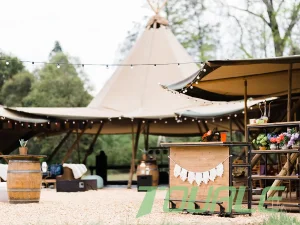
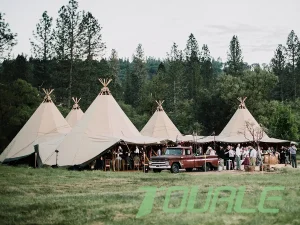
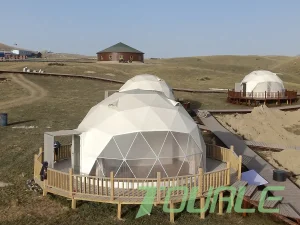
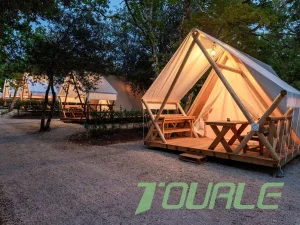
1. Global Market Paradigm & Commercial Glamping Ecosystem
Analyzing the macro-expansion of experiential luxury lodging, capital expenditure dynamics, and yield optimization strategies for international venue operators.
The global glamping industry has evolved from a niche outdoor lifestyle movement into a multi-billion-dollar institutional real estate asset class. According to recent market analysis, the worldwide glamping market size, valued at approximately USD 3.4 billion in 2023, is projected to expand at a compound annual growth rate (CAGR) exceeding 11.5% through 2030. This structural shift is propelled by consumer demand for immersive micro-vacations, eco-conscious travel, and Instagram-driven experiential luxury.
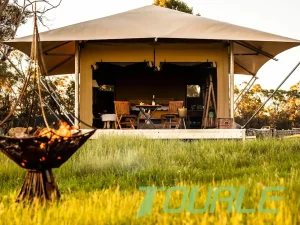
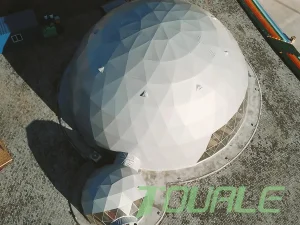
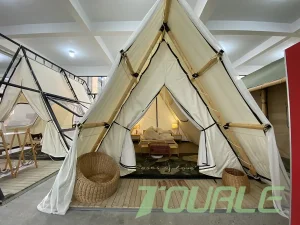
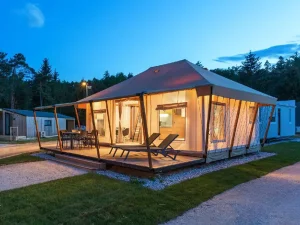
Commercial operators, boutique hoteliers, and land-use investors face a crucial imperative: maximizing average daily rates (ADR) and revenue per available room (RevPAR) while minimizing initial capital investment and operational overhead. Traditional brick-and-mortar hotel construction suffers from protracted permitting cycles, heavy environmental disruption, and skyrocketing material costs. In contrast, heavy-duty glamping structures—such as double-layer geodesic domes, tensioned membrane safari lodges, and insulated timber-frame tipis—offer rapid modular deployment with minimal site footprint.
Structural Longevity
Engineered with hot-dip galvanized steel tubing (Q235 grade) and fluorocarbon-coated PVDF architectural membranes designed to resist 100km/h wind loads and heavy snowfall.
Rapid Deployment
Prefabricated flat-pack modular designs allow site teams to assemble a complete 6-meter dome or multi-room safari lodge within 6 to 12 hours without heavy machinery.
Superior Capital Efficiency
Achieve up to 40% higher net profit margins compared to conventional cabins by reducing foundational concrete costs and tax-depreciating temporary building structures.
2. The Chinese Source Factory Ecosystem & Production Precision
Why leading global glamping tent sales companies partner with Chinese industrial clusters for raw material dominance, OEM/ODM agility, and rigorous quality assurance.
When procurement managers evaluate famous glamping tent manufacturers, the industrial scale of China's structural tent manufacturing hubs—specifically within specialized hubs like Sichuan Tulele Technology Co., Ltd. (Tourle Tent)—presents an overwhelming competitive advantage. The integration of high-density textile weaving, automated CNC metal processing, and dedicated hardware forging under a single regional ecosystem drastically compresses lead times and eliminates multi-tier supplier markups.
Material Science & Raw Specification Superiority
A high-performance commercial glamping tent is an exercise in applied material engineering. Chinese manufacturing plants leverage direct supply contracts with tier-one polymer and alloy mills to incorporate advanced structural components:
Architectural Membrane & Textile Formulations
Utilizing high-tensile 850g/m² to 1050g/m² PVC/PVDF coated polyester fabrics. Features include self-cleaning titanium dioxide coatings, M2/B1 fire retardancy compliance (DIN 4102-1), anti-mildew treatment rated at Grade 0, and UV protection factor UPF 50+ capable of enduring intense desert solar irradiance for over 8 years without yellowing or tensile loss.
Precision Structural Framing Alloys & Timber
Frameworks utilize high-strength extruded aluminum alloy 6061-T6 (anodized surface finish >15μm) or heavy-duty Q235 steel tubes with hot-dip galvanization exceeding 80μm thickness. For rustic eco-resorts, pressure-treated anti-corrosive pinewood or glulam beams are kiln-dried to maintain moisture content below 12%, preventing warping across alpine temperature swings.
Full-Process Trial Assembly: Mitigating Deployment Risk
The single greatest operational hazard for an overseas resort developer is receiving a container with mismatched structural connectors, misaligned canvas grommets, or missing tension hardware. Premier Chinese manufacturers systematically address this risk through pre-shipment trial assembly protocol.
Before any shipment departs the 18,000㎡ manufacturing facility, every unit undergoes full structural erection on indoor testing platforms. Engineers verify structural tolerances, seam waterproofing via high-pressure hydro-testing, tensioning vector integrity, and window/door sealing alignment. Photos, videos, and millimeter-accurate digital assembly blueprints are archived and delivered directly to the client's engineering team.
3. Localized Deployment Scenarios & Climate Engineering
Custom structural modifications tailored for extreme geographic demands, regulatory environments, and specialized guest experiences.
High-Humidity Coastal & Island Resorts
Challenge: Salt-fog corrosion, severe humidity, and category-10 storm surges.
Engineering Response: 316 stainless steel hardware, electro-galvanized frame coatings, and dual-layer breathable canvas with internal anti-condensation lining.
Alpine & Heavy Snow Environments
Challenge: Sub-zero thermal loss, roof snow accumulation loads up to 0.5kN/m².
Engineering Response: High-density geodesic dome geometric distribution, multi-layer aluminum foil insulation blankets, and integrated stove pipe chimney jacks.
High-UV Desert Glamping Camps
Challenge: Extreme diurnal temperature swings (40°C day / 5°C night) and fabric dry-rot.
Engineering Response: Outer shadow-fly stretch membranes for double-roof solar shading, heavy-duty shade nets, and high-CFM HVAC duct integration portals.
4. Global Enterprise Procurement Framework & Vendor Audit Criteria
A standardized checklist for institutional buyers, resort developers, and procurement heads evaluating commercial glamping manufacturers.
Procuring commercial-grade glamping units requires navigating complex international trade compliance, structural engineering codes, and long-term maintenance protocols. Institutional buyers must evaluate potential factory partners across five mandatory dimensions:
1. Structural Safety & Wind Engineering Certifications
Ensure the supplier provides finite element analysis (FEA) reports verifying frame resistance against localized wind load parameters (minimum 80km/h up to 120km/h). Structural joints must utilize cold-drawn steel connectors with full-penetration welding standards.
2. International Fire & Safety Compliance
Canvas covers and PVC membranes must meet international fire retardancy standards such as NFPA 701 (USA), DIN 4102 B1 (Europe), or BS 5438 (UK). Request third-party test certificates from SGS, TÜV, or Intertek prior to placing production deposits.
3. Modular En-Suite & Utility Integration Capabilities
Commercial glamping success relies on luxury amenities. Evaluate whether the manufacturer's structural designs accommodate interior partitions, elevated wooden decking frameworks, integrated plumbing channelling, and electrical conduit routing.
4. Container Freight Optimization & Flat-Pack Design
Shipping logistics significantly impact total delivered cost per unit. Advanced factories engineer modular frame components that nest tightly within 40ft High-Cube containers, maximizing payload density and reducing per-unit ocean freight overhead.
5. Emerging Trends: Smart Glamping & Next-Gen Architectural Canvas
How technological innovation is reshaping structural hospitality, off-grid autonomy, and guest personalization.
Off-Grid Solar Integration
Flexible, lightweight PV solar panels seamlessly bonded to tensioned outer membrane roofs, enabling remote glamping pods to generate self-sustaining solar power for lighting, HVAC, and device charging.
Smart Climate & Automation Systems
IoT-enabled micro-climate control inside dome and safari units. Automated magnetic window shades, smart thermostat-driven exhaust vents, and humidity sensors manageable via central resort software.
Circular Eco-Materials
Transition toward 100% recyclable TPU membranes, organic organic cotton canvas blends treated with bio-based water repellents, and FSC-certified sustainably harvested timber frames.
Complete OEM & ODM Product Range for Global Buyers
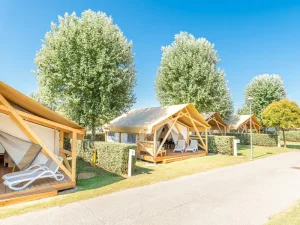
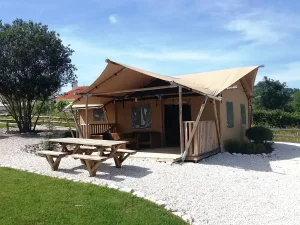
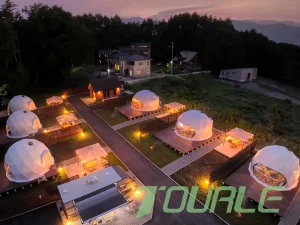
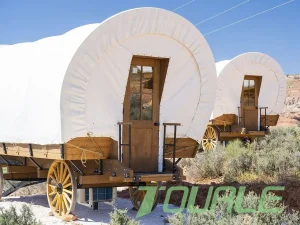
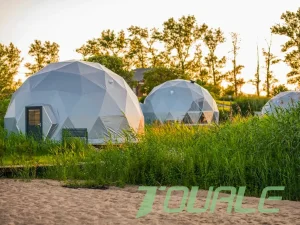
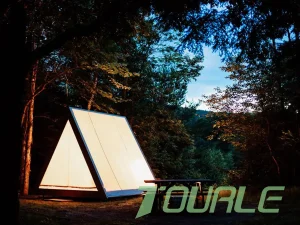
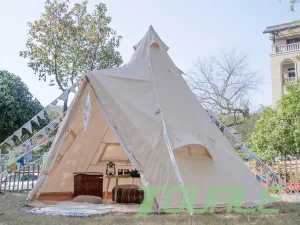
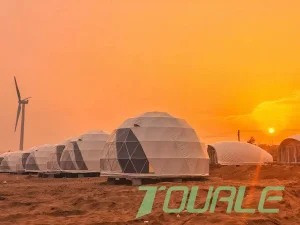
Explore specialized structural designs available for wholesale order and custom factory branding.
6. Enterprise Procurement Q&A (Frequently Asked Questions)
Expert answers addressing structural engineering, production timelines, custom branding, and international freight realities.