
Engineered Four-Season Safari & Glamping Units
Precision-fabricated commercial safari tents engineered for multi-climate resilience, high guest turnover, and optimized yield performance.
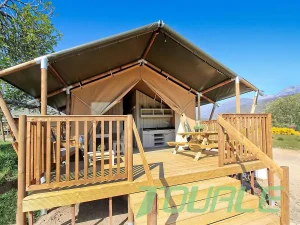
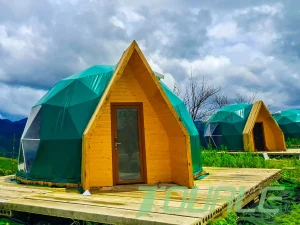
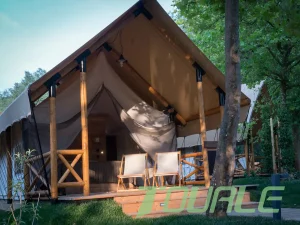
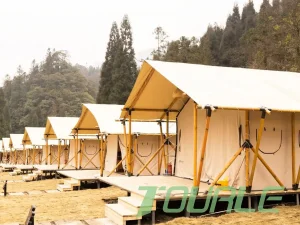
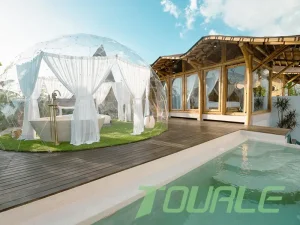
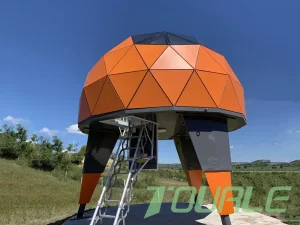
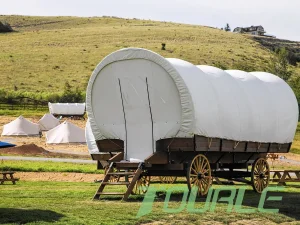
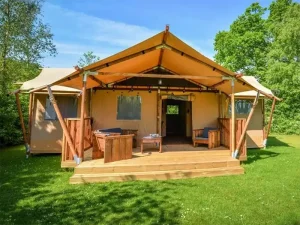
Executive Summary: The Four-Season Paradigm Shift in Luxury Eco-Hospitality
Transitioning from seasonal summer operations to year-round revenue generation through advanced architectural tensile membrane structures.
The global luxury glamping and outdoor hospitality sector has undergone a fundamental structural pivot. Historically restricted to high-season summer operation, commercial campsite operators faced severe cash-flow volatility, low annualized asset utilization rates, and accelerated seasonal depreciation of temporary canvas structures. The emergence of tente safari 4 saisons (four-season safari tents) engineered by advanced global exporters has redefined the economic viability of eco-resort investments.
By leveraging multi-layer thermodynamic insulation membranes, structural glulam or heavy-gauge galvanized steel framing, and integrated HVAC microclimate control channels, modern four-season safari tents withstand sub-zero alpine snow loads, coastal hurricane-force winds, and blistering arid desert heat. Sourcing directly from verified export manufacturers allows institutional investors and resort developers to achieve optimal capital expenditure (CapEx) efficiency without sacrificing structural integrity, safety certifications, or guest luxury expectations.
Key Takeaway for B2B Procurement Officers:
Procuring discount four-season safari tents directly from Tier-1 source manufacturers yields up to 45% CapEx savings compared to domestic reseller markups, enabling faster debt payback cycles (typically under 18 months) while maintaining strict adherence to international building codes (EN 13782, NFPA 701, DIN 4102 B1).
Structural Engineering & Thermodynamic Architecture of Tente Safari 4 Saisons
A granular breakdown of membrane composite technology, structural load mitigation, and thermal transfer optimization.
Tri-Layer Thermal Envelope
Utilizes an outer PVDF rain-fly (850g/m²), an air-insulation gap, an interior heavy-duty tear-stop ripstop canvas wall (420g/m²), and a thermal-reflective interior liner that eliminates thermal bridging and dew-point condensation.
PVDF Fluoropolymer Coating
Surface-treated outer membranes featuring titanium dioxide nano-particles provide self-cleaning hydro-phobic properties, 100% UV block-out rating, and resistance against mold, mildew, and industrial atmospheric pollution.
Heavy Structural Frame Matrix
Engineered options including pressure-treated organic glulam timber poles (Q235 steel internal core connection inserts) or hot-dip galvanized steel tubing (80mm x 2.5mm) treated with anti-corrosion fluorocarbon spray.
Comparative Technical Specification Matrix
The table below provides a engineering evaluation comparing standardized summer-only safari tents against advanced four-season commercial safari units manufactured for global export:
| Performance Parameter | Standard Seasonal Safari Tent | Export-Grade Tente Safari 4 Saisons | Engineering Benefit |
|---|---|---|---|
| Operating Temperature Range | +10°C to +35°C | -30°C to +50°C | 365-Day Year-Round Booking Operations |
| Outer Roof Membrane Spec | 550g/m² PVC Single Fly | 850g/m² PVDF Architectural Tensile Membrane | Extended UV lifespan & Flame Retardancy (DIN4102 B1) |
| Thermal Insulation Layer | None (Single Layer) | Aluminum Foil Micro-Porous Aerogel Quilt | Reduces HVAC heating/cooling energy costs by up to 60% |
| Wind Rating Compliance | Up to 60 km/h (Beaufort 7) | Up to 120 km/h (Beaufort 12 - Typhoon Grade) | Prevents catastrophic storm destruction and insurance losses |
| Snow Load Tolerance | 0 kN/m² (Requires seasonal dismantling) | 0.5 kN/m² to 1.2 kN/m² (Pitch angle >35°) | Supports heavy winter snowfall without structural sagging |
| Sub-Frame & Foundation | Direct Ground Staking | Modular Steel/Timber Deck Frame with Adjustable Jack Legs | Zero-impact ecological footprint over uneven topography |
Global Sourcing, SCM Efficiency, and B2B Discount Export Dynamics
How high-volume exporters optimize production cycles, shipping container packing density, and custom OEM/ODM localization.
When enterprise clients, campsite franchisees, and boutique resort developers search for discount tente safari 4 saisons exporters & exporter partners, the objective extends beyond acquiring low unit costs. Sourcing decision-makers must consider Total Cost of Ownership (TCO), international trade tariffs, ocean freight volumetric packaging optimization, and post-sale technical support.
1. KD (Knock-Down) Volumetric Optimization
Export-focused engineering utilizes modular component breakdown protocols. Frame tubes, canvas assemblies, and connector brackets are packed into steel-reinforced crates, maximizing 40ft High Cube (40HQ) container space to fit up to 18-22 complete safari units per shipment, drastically reducing freight cost per key.
2. OEM Custom Structural Tailoring
Exporters offer end-to-end original equipment manufacturing (OEM). This includes customized floor plan layouts (integrating luxury en-suite bathrooms, kitchenette partitions, and mezzanine sleeping decks), canvas color palettes, custom branded leather badging, and regional structural code compliance adaptations.
3. In-House Hardware & Fittings Factory Integration
Premier source exporters maintain dedicated hardware fabrication facilities. By manufacturing specialized 304 stainless steel tension turnbuckles, structural ridge brackets, and floor anchor brackets in-house, structural tolerance matches fabric dimensions perfectly, preventing site installation delays.
Macro Industry Solutions: Engineering Tente Safari Units for Diverse Terrains
Deploying specialized structural adaptations across alpine snowcapped mountains, coastal tropical sandbars, and arid desert landscapes.
Alpine & Cold-Climate Engineering
Integrates dual-fuel stove flue jack openings (insulated silicate fiber fire-stop collars), under-canvas electrical heating mesh integration points, triple-pane glass wall entry doors, and steep-pitched double canvas roofs to shed heavy winter ice and snow continuously.
Tropical & High-Humidity Marine Environments
Features anti-saltwater corrosion marine grade 316 stainless steel fittings, high-density invisible mesh screen windows (preventing sandfly/mosquito entry while optimizing cross-ventilation), and anti-fungal copper-treated canvas fabrics.
Off-Grid Eco-Resort Infrastructure Integration
Pre-engineered structural chassis designed to route concealed plumbing, graywater drainage lines, solar panel electrical wiring conduits, and air-conditioning refrigeration lines invisibly beneath elevated timber decks.
Localization Support, Regulatory Compliance, and Pre-Shipment Trial Protocol
Ensuring frictionless customs clearance, international safety compliance, and flawless field installation.
Navigating municipal building codes, environmental impact regulations, and fire marshal inspections represents a major hurdle for glamping developers. Top-tier tente safari 4 saisons manufacturer-exporters maintain comprehensive international compliance portfolios:
International Fire Retardancy Certifications
Canvas and membrane materials undergo rigorous third-party testing to satisfy strict regional standards: DIN 4102 B1/M2 (Europe), NFPA 701 (North America), and BS 7837 (United Kingdom), ensuring slow flame propagation and self-extinguishing behavior.
Structural Wind & Seismic Calculation Reports
Detailed CAD and BIM architectural models accompanied by stamped structural engineer load calculations (EN 13782 standards) simplify local permit approvals for commercial hospitality resort development.
100% Pre-Shipment Trial Assembly Protocol
Before container loading, every customized safari tent unit undergoes complete trial setup at the exporter's assembly facility. Frame geometry, stitching integrity, zipper tension, and membrane fit are visually inspected and recorded via video documentation for buyer clearance.
Future Outlook: Smart Microclimates & Next-Gen Sustainable Canvas Materials
Emerging innovations transforming four-season glamping tents into intelligent, low-carbon hospitality infrastructure.
The next decade of safari tent engineering merges sustainable material science with IoT-driven microclimate management. As eco-tourism demand accelerates worldwide, exporters are investing heavily in advanced technological pathways:
IoT Embedded Environmental Controls
Integrated automated humidity sensors, smart motorized canvas window vents, and floor heating controls automatically stabilize interior comfort levels while optimizing utility consumption during unoccupied periods.
Circular Bio-Based Membrane Fabrics
Transitioning from traditional PVC compounds to fully recyclable thermoplastic polyurethanes (TPU) and organic unbleached hemp-cotton canvases, significantly reducing embedded carbon footprints for zero-emission resorts.
Flexible Solar Roof Membrane Integration
Ultra-thin, flexible CIGS photovoltaic panels laminated directly onto outer safari tent flysheets generate up to 2.5 kW of off-grid solar electricity per stay unit without adding structural dead-load weight.
Frequently Asked Questions: B2B Sourcing & Technical Insights
Expert answers addressing structural engineering, export logistics, warranty terms, and site installation details.
1. Why is a multi-layer membrane essential for a true "Tente Safari 4 Saisons"?
A single-layer canvas tent suffers from severe thermal loss and internal water condensation in winter conditions. A true four-season safari tent utilizes a tri-layer system: a PVDF exterior roof fly to shed rain/snow, a stagnant dead-air gap or aerogel insulation blanket, and an interior breathable heavy-duty canvas wall. This barrier maintains internal temperatures up to 15°C warmer than ambient outdoor cold while preventing condensation dripping.
2. What structural foundation is required before installing large luxury safari tents?
Safari tents are typically installed on elevated timber decks or galvanised steel sub-frame platforms supported by concrete piers or ground screw anchors. This elevation protects structural timber from soil moisture, prevents pest ingress, provides a level surface over uneven ground, and conceals utility plumbing and electrical feeds beneath the decking.
3. How do direct-factory export prices compare to purchasing from local distributors?
Direct B2B procurement from source exporters in major manufacturing hubs (such as Chengdu, China) typically yields a 35% to 50% cost reduction compared to regional importers. These savings result from eliminating middleman distributor markups, factory-direct wholesale pricing, and customized shipping container loading efficiency.
4. What is the expected design lifespan and warranty coverage for commercial safari tents?
Commercial-grade structural frames (glulam timber or hot-dip galvanized steel) feature a design life of 15+ years. Outer PVDF architectural membranes have an operational life of 8 to 12 years (supported by a 5-year anti-UV degradation manufacturer warranty), while interior heavy cotton-polyester canvas walls last 5 to 8 years under continuous commercial resort operation.
5. Can custom floor plans and luxury interior amenities be integrated via OEM/ODM?
Yes. OEM/ODM exporters provide tailored CAD layout engineering. You can customize total footprint dimensions (e.g., 5m x 7m up to 8m x 12m), create glass-walled en-suite bathroom divisions, incorporate covered front verandas, insert chimney flue ports for wood-burning fireplaces, and specify internal electrical wire pathways.
6. How are large export orders packaged to prevent damage during ocean freight transit?
Tents are packed using heavy-duty export protocols: metal frame elements are wrapped in multi-layer shock-absorbing bubble film and packed in customized steel crates; canvas membranes are vacuum-sealed in waterproof PVC carry bags to eliminate humidity moisture damage; and all connection hardware is boxed in labeled wooden crates for easy site sorting.
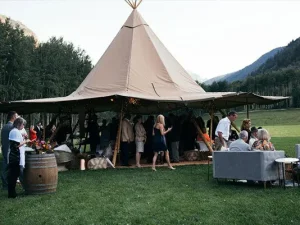
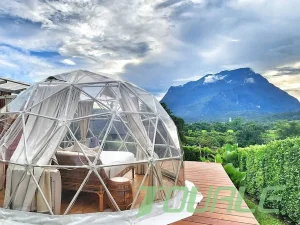
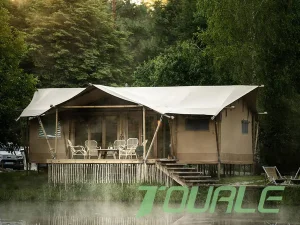
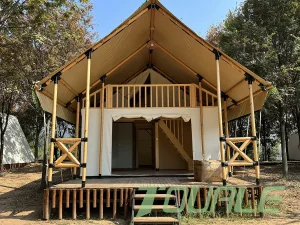
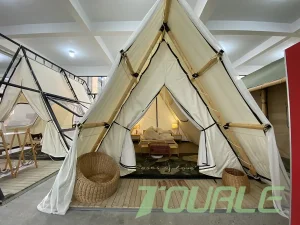
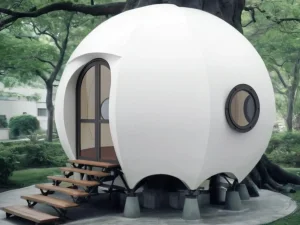
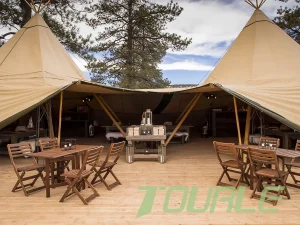
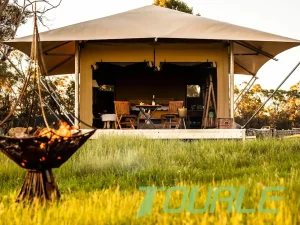
Specialized Safari, Dome & Tipi Glamping Units
Explore additional high-demand export models tailored for resort dinning, mountain campgrounds, and panoramic stargazing lodges.
Accelerate Your Resort Deployment with Tier-1 Source Manufacturing
Partner with Sichuan Tulele Technology Co., Ltd. (Tourle Tent) for factory-direct wholesale pricing, custom CAD floor planning, stamped engineering calculations, and global site delivery support.