
Commercial Glamping & Resort Tent Series (Part I)
Factory-direct structural tents built for extreme weather resilience, high ROI, and rapid deployment.
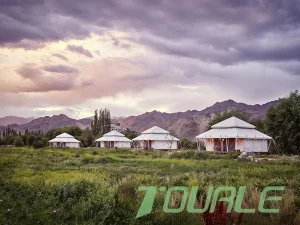
Cheap Experience Luxury in the Wilderness with Aman's Stylish and Functional Tents Factory, Supplier
Explore Product Specifications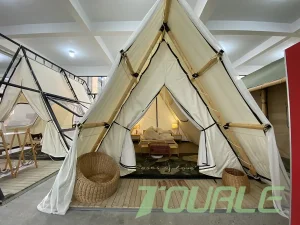
Wholesale Three -layer fabric wooden structure safari T9 tent Manufacturers, Product
Explore Product Specifications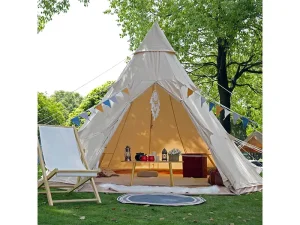
High-Quality Glamping cotton canvas pyramid tent camping tipi tent sleeping tent Service, Exporter
Explore Product Specifications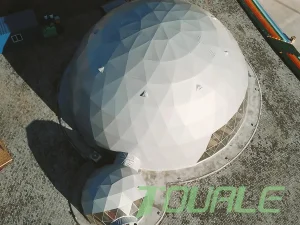
OEM Large Outdoor Geodesic Dome Luxury Waterproof Tents for Banquet Quotes, Supplier
Explore Product Specifications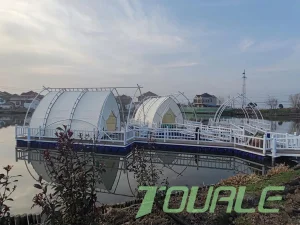
OEM Lakeside Lodge double fabric safari tent Products, Factory
Explore Product Specifications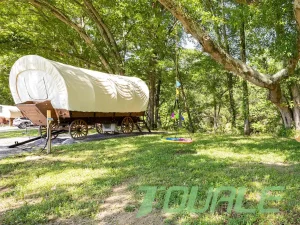
High-Quality Wooden covered wagon glamping mobile carriage tentluxury outdoor camping tent Service, Pricelist
Explore Product Specifications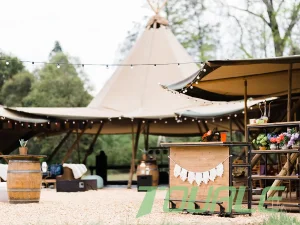
Buy Tent For Camping Luxury Large Spacious Outdoor Waterproof Cotton Wedding Tipi Safari Tent Companies, Supplier
Explore Product Specifications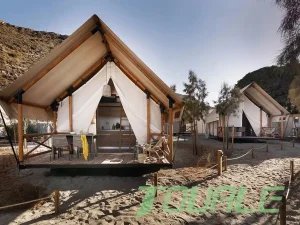
Best Hot Selling Safari Tent Luxury Hotel Beach Tents for Sale Companies, Pricelist
Explore Product SpecificationsGlobal Industrial Analysis: The Commercial Transformation of Tent Houses
Why modern resort developers are shifting from brick-and-mortar hospitality to modular, semi-permanent tent house architecture.
The global commercial outdoor hospitality sector has experienced a structural paradigm shift. The search for "Discount Tent Houses For Sale Service & Products" is no longer driven by budget recreational campers seeking temporary canvas shelters. Instead, it represents high-intent procurement queries from commercial resort developers, eco-tourism operators, luxury glamping investors, and municipal event planners looking for scalable, high-margin architectural solutions.
Driven by the global surge in experiential travel and biophilic hospitality design, semi-permanent tent houses—ranging from high-tensile geodesic domes to heavy-duty multi-layer wooden safari lodges—have emerged as prime real estate investments. Unlike traditional concrete hotels, which require extensive zoning approvals, deep foundation civil works, and multi-year construction cycles, industrial tent house structures can be specified, manufactured, shipped, and operational within weeks.
High ROI & Rapid Capital Payback
Initial capital expenditure (CapEx) per square meter for structural glamping tents is 60–70% lower than traditional resort construction, yielding significantly accelerated break-even timelines.
Zero-Footprint Environmental Compliance
Modular tent house structures are installed on raised timber platforms or screw-pile foundations, preserving native topsoil, protecting flora, and securing fast-track eco-zoning permits.
Multi-Season All-Weather Engineering
Utilizing aircraft-grade T6 aluminum alloy, hot-dip galvanized Q235 steel, and PVDF/PVC flame-retardant membranes rated to withstand 100+ km/h winds and heavy snowfall loads.
The Chinese Manufacturing Advantage: Factory Efficiency & Supply Chain Dominance
How integrated manufacturing hubs like Chengdu, Sichuan, optimize production costs without compromising structural integrity or material longevity.
When B2B buyers search for discount tent houses for sale, the key challenge is navigating the compromise between cost efficiency and build quality. China's tent manufacturing ecosystem—exemplified by dedicated manufacturers operating out of specialized industrial parks—delivers an unmatched competitive advantage through complete horizontal and vertical supply chain integration.
1. In-House Hardware & Structural Component Fabrication
Unlike regional assemblers who outsource critical components, leading Chinese manufacturers maintain dedicated hardware foundries and CNC machining shops. By producing structural steel connectors, tensioning systems, extruded aluminum structural profiles, and custom bracketry in-house, production overhead is reduced by up to 35% while maintaining strict dimensional tolerances (±0.5mm).
2. Advanced Textile Engineering & High-Frequency Welding
The durability of a commercial tent house depends on its outer membrane fabric. Chinese manufacturing hubs utilize automated double-sided PVDF surface-coating technology and high-frequency thermal welding. This ensures zero water penetration under hydrostatic pressure exceeding 3000mm, alongside anti-mildew, anti-UV, and certified fire resistance (DIN 4102 B1 / NFPA 701 standard compliance).
3. Rigorous Pre-Shipment Trial Assembly Workflow
To eliminate operational risk for international resort developers, every structural frame and canvas outer shell undergoes full-process trial assembly inside factory staging zones. Frame alignment, seam stress points, zipper tolerances, and door/window hardware fitment are verified before export packaging. This guarantees seamless, low-labor site assembly upon arrival in North America, Europe, or Australia.
Localized Application Scenarios Across Diverse Microclimates
Engineered solutions tailored to withstand extreme thermal ranges, alpine snow loads, tropical humidity, and desert wind pressures.
1. Middle East & Desert Retreats (High Thermal Insulation)
Deploying tent houses in arid regions requires heavy UV stabilization and multi-layer insulation membranes. By incorporating double-sided aluminum foil thermal insulation layers and heat-reflective outer PVDF covers, interior temperatures remain comfortable while reducing HVAC power consumption by up to 40%.
2. Tropical Islands & Coastal Resorts (Corrosion & Wind Resistance)
Coastal and island installations face high salt-fog corrosion and typhoon threats. Custom tent house packages utilize anodized 6061-T6 aluminum alloys, 304/316 stainless steel hardware fasteners, and aerodynamic geodesic dome geometry tested to withstand Beaufort Wind Scale 10–12 force winds.
3. Alpine & Heavy Snow Zones (High Snow-Load Capacities)
For ski-resort glamping and winter mountain camps, pitched-roof safari lodges and geodesic dome shells are reinforced with heavy-wall steel framing. Roof angles exceeding 45 degrees ensure natural snow shedding, preventing static roof load deformation during severe winter storms.
4. National Parks & Forest Ecoregions (Low-Impact Mobility)
Sensitive nature reserves often prohibit permanent concrete foundations. Modular wooden structure safari tents and bell tents sit on elevated timber decks supported by ground screws, preserving underground hydrology and satisfying strict environmental regulation requirements.
Technical Evaluation Matrix: Tent House Typologies
A comprehensive comparative evaluation guide for commercial buyers and resort project engineers.
| Tent House Style | Structural Frame Material | Membrane / Fabric Grade | Wind Rating | Expected Lifespan | Primary Commercial Use |
|---|---|---|---|---|---|
| Geodesic Dome Tent | Q235 Hot-Dip Galvanized Steel Tube | 850g/㎡ Double PVC Coated Fabric100 – 120 km/h | 10+ Years (Frame) / 6+ Yrs (Cover) | Stargazing Pods, Eco Suites, Winter Glamping | |
| Luxury Safari Lodge Tent | Anti-Corrosion Solid Timber / Steel Structural Posts | 900g/㎡ Heavy PVDF Outer Membrane + Canvas80 – 100 km/h | 15+ Years (Frame) / 8+ Yrs (Cover) | 5-Star Resort Villas, Family Eco-Lodges | |
| Glamping Cotton Bell Tent | Galvanized Central Steel Pole (Φ32-38mm) | 320g-360g Waterproof Cotton Canvas50 – 60 km/h | 3 – 5 Years (High Usage) | Pop-up Camps, Festival Rentals, Start-ups | |
| Emperor Twin-Pole Tent | Heavy-Duty Steel Ridge & Wall Poles | Rip-Stop Rip-proof Waterproof Canvas60 – 70 km/h | 5+ Years | Group Glamping Suites, Outdoor Dining Units | |
| Carriage / Mobile Wagon Tent | Custom Bended Steel + Timber Accent Frame | Waterproof Oxford / Fire-Retardant PVC70 – 85 km/h | 8+ Years | Signature Themed Accommodations, Kid Zones |
Global Enterprise Procurement & OEM/ODM Lifecycle Management
End-to-end operational execution from initial site blueprinting to post-installation structural maintenance.
1. Architectural CAD & Site Customization
Every commercial procurement begins with CAD/3D site rendering customization. Engineers adjust structural dimensions, door/window placements, en-suite bathroom partition frames, and electrical routing cutouts to match resort master plans.
2. Precision Industrial Manufacturing
Once drawings are finalized, automated CNC saws cut structural tubing and timber posts, while automated plotters slice canvas membranes. Sub-assemblies undergo zinc galvanization or electrostatic powder coating for optimal outdoor durability.
3. Complete Export Logistics & On-Site Support
Products are packed in seaworthy steel-framed crates to prevent transit abrasion. Importers receive comprehensive step-by-step video installation manuals, engineering load calculations, and direct remote technical support.
Future Trends in Commercial Tent Architecture
Next-generation innovations reshaping the future of luxury glamping and semi-permanent structures.
As competition intensifies in the outdoor hospitality market, resort operators must differentiate their accommodation stock. The technical specification of commercial tent houses is rapidly incorporating smart tech, off-grid utilities, and advanced biophilic aesthetics:
Smart IoT Climate Integration
Modern tent houses are engineered with integrated conduit channels for smart thermostats, automated curtain tracks, and IoT humidity sensors that protect canvas longevity by preventing interior condensation accumulation during unoccupied periods.
Off-Grid Solar Membrane Integration
Emerging membrane technologies integrate flexible thin-film photovoltaic (PV) solar panels directly onto outer tent flysheets, allowing remote wilderness camps to generate clean power for lighting and water heating without diesel generators.
Commercial Glamping & Resort Tent Series (Part II)
Explore our specialized, high-capacity, and uniquely styled tent housing units.
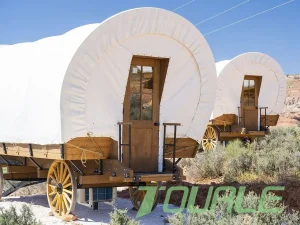
OEM Explorer's camping journey, in the home in the wilderness, Wagon Tent for Sale Manufacturers, Supplier
Explore Product Specifications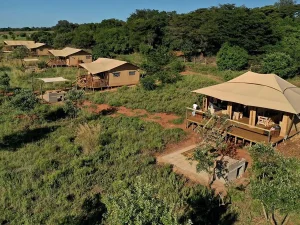
Custom High Quality Prefab Luxury Glamping Safari Tent with Wooden Floor Exporters, Factory
Explore Product Specifications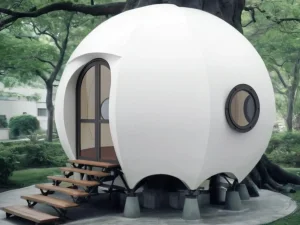
Buy Outdoor Pumpkin tent unique glamping safari accommodation cocoon house family cocoon tent Manufacturers, Suppliers
Explore Product Specifications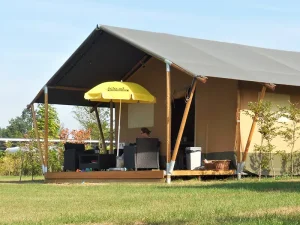
CE Certification Luxury resort tent waterproof canvas glamping safari tent for sale Manufacturers, Pricelist
Explore Product Specifications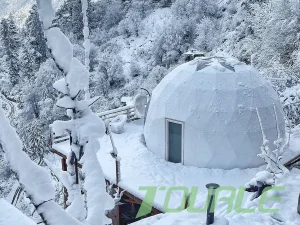
High-Quality Luxury Eco Hotel Decoration Prefab Transparent Geodesic Waterproof Dome House Tent Glamping For sale Exporters, Pricelist
Explore Product Specifications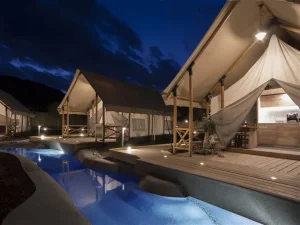
CE Certification Wooden structure waterproof cotton canvas luxury resort hotel tent glamping safari tent Manufacturer, Supplier
Explore Product Specifications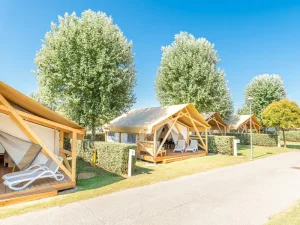
Cheap 5x9m wooden structure luxury camping safari tent for holiday camping hotel Factories, Suppliers
Explore Product Specifications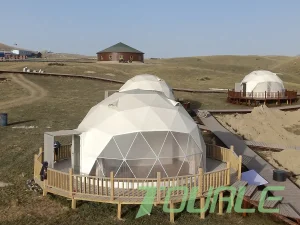
Buy A grassland camp consisting of 6 -meter diameter dome tent Company, Supplier
Explore Product SpecificationsFrequently Asked Questions by Commercial Buyers & Importers
Expert answers regarding structural compliance, bulk pricing, shipping timelines, and custom engineering.
Why are factory-direct Chinese tent houses significantly cheaper than European or American equivalents?
Cost efficiency is achieved through industrial cluster aggregation. In specialized manufacturing regions like Sichuan and Zhejiang, raw materials (aluminum extrusion profiles, PVC membrane textiles, stainless steel hardware) are sourced within a 50km radius. Combined with high-efficiency automated CNC cutting and localized hardware production, factories reduce structural component manufacturing overhead by 30-50% while meeting identical international CE, DIN, and ISO standards.
Are these "discount" tent house structures engineered to handle extreme wind and heavy snow?
Yes. Commercial-grade tent houses are engineered structures rather than lightweight recreational tents. Geodesic domes utilize triangulated high-tensile steel tubing rated for wind speeds up to 120 km/h. Safari lodge tents feature heavy structural timber or steel frames with pitched roofs designed to shed snow and heavy rainfall. Wind and snow load calculation reports are available for municipal permitting.
What is the expected service life of the outer membrane fabric vs. the structural frame?
Structural frames (anodized aluminum alloy or hot-dip galvanized steel) have an operational lifespan of 15 to 20+ years. High-grade outer membranes (PVDF/PVC 850g-900g/㎡) are UV-stabilized and anti-fungal, delivering an operational service life of 6 to 10 years depending on solar radiation intensity. Membranes are modular and can be replaced independently without dismantling the main frame.
Can interior walls, plumbing, and en-suite bathrooms be integrated into these tent houses?
Absolutely. Most commercial orders specify internal layout partitions. Modular sandwich panel walls, lightweight timber frame partitions, glass doors, and pre-routed utility floor openings are routinely integrated to allow full en-suite bathrooms, king-sized bedrooms, and kitchenettes.
What is the standard manufacturing and international shipping lead time for resort-scale orders?
Standard manufacturing lead time for custom orders (10 to 30 units) is typically 15 to 25 business days following CAD drawing approval. Ocean freight shipping times range between 14 to 20 days to West Coast North America/Southeast Asia, and 25 to 35 days to Europe and South America.
How do you ensure all components fit correctly before overseas ocean shipping?
Every custom production run undergoes a mandatory 100% pre-shipment trial assembly at our factory staging zone. The structural frame is erected, the canvas or membrane cover tensioned, and all door/window interfaces tested. Detailed trial assembly video logs and photo inspections are provided to the buyer prior to final container loading.