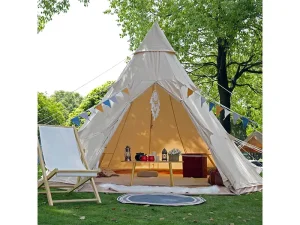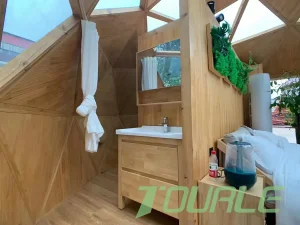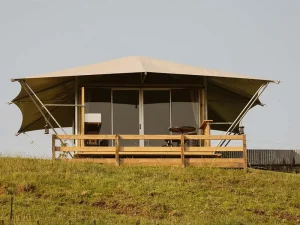
Commercial Safari & Glamping Structures
Factory-direct engineered accommodation units for resort developers, campsite investors, and commercial rental fleets worldwide.
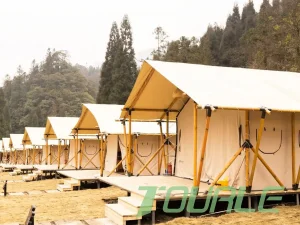
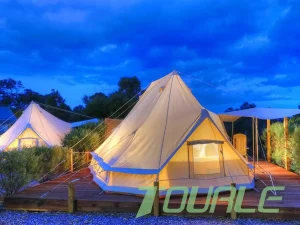
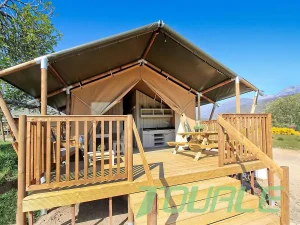
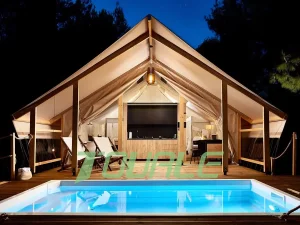
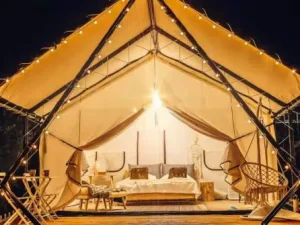
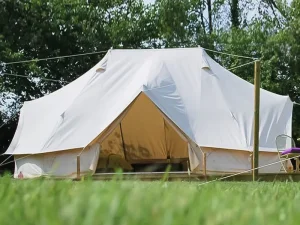
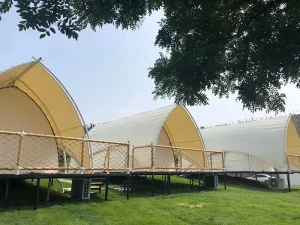
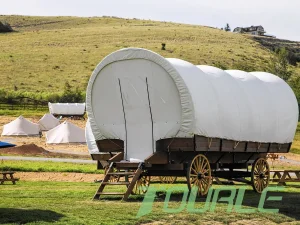
Global Commercial & Industrial Landscape
Analyzing the shift toward modular eco-resorts, CAPEX efficiency, and direct factory exporter sourcing dynamics.
The Global Glamping Market Explosion
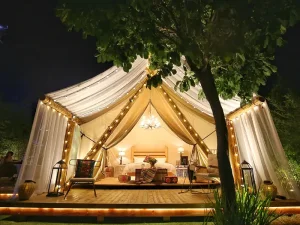
The global luxury glamping and eco-resort sector is undergoing an unprecedented structural shift. Projected to expand at a CAGR exceeding 12.8% over the next decade, institutional capital is rapidly pouring into semi-permanent outdoor hospitality. Modern travelers demand immersive experiential stays without sacrificing the thermal comfort, sanitary convenience, and architectural elegance of traditional 5-star hotels. Consequently, commercial operators are abandoning slow, high-CAPEX brick-and-mortar constructions in favor of high-yield, modular glamping safari tents.
Decoding "Cheap": B2B ROI vs. Cheap Quality
In the global procurement lexicon for B2B search intent, searching for "cheap glamping safari tents exporters" does not signify a willingness to compromise on structural safety or fabric longevity. Rather, it reflects an intentional purchasing strategy: minimizing Capital Expenditure (CAPEX) per unit by sourcing directly from original equipment manufacturers (OEMs) and certified exporters. By eliminating intermediary trading markups, resort owners reduce their payback period from 36 months to under 12 months, achieving superior cash-flow velocity.
SEO Information Gain Insight: Sourcing direct-from-factory Safari Tents reduces initial resort setup costs by up to 45% compared to local distributor warehousing models, while maintaining compliance with international EN 13782 wind structural standards and DIN 4102 B1 fire ratings.
Material Science & Engineering Architecture
Rigorous structural integrity, thermal dynamics, and heavy-duty tensile canvas technology built for commercial durability.
Heavy-Duty Tensile Canvas
Utilizing high-density 850g/m² PVDF coated PVC architectural membranes or 320g-420g organic cotton-poly canvas blend. Treated with hydrophobic nanocoatings to ensure a hydrostatic head rating exceeding 5000mm H₂O. Material exhibits anti-fungal, rot-proof, and anti-UV (UV50+) degradation characteristics designed for decades of solar exposure.
Structural Metal Frameworks
Engineered using hot-dip galvanized Q235 steel pipes (Ø80mm-Ø100mm, wall thickness 2.5mm-3.0mm) or aircraft-grade 6061-T6 aluminum alloys. Corrosion resistance is fortified via electrostatic powder coating, surviving 1,000+ hours in salt-spray test chambers (ISO 9227 compliant).
Double-Roof Thermal Barrier
Integrating a dual-layer roof insulation architecture featuring an outer rain/sun shade canopy and an inner thermal liner separated by a 100mm-150mm stagnant air gap. This passive HVAC gap reduces internal solar heat transfer by up to 65% in summer and retains heat efficiently in sub-zero alpine winter conditions.
| Engineering Parameter | Commercial Grade Safari Specs | Standard Camping Tent | B2B Operational Benefit |
|---|---|---|---|
| Wind Resistance | Beaufort Scale 10-11 (100 - 120 km/h) | Scale 5-6 (30 - 50 km/h) | Zero structural downtime during severe coastal or mountain storms. |
| Fabric Tensile Strength | Warp: 3000N/5cm | Weft: 2800N/5cm | Warp: 800N/5cm | Weft: 600N/5cm | Prevents canvas tearing under heavy snow packs and falling debris. |
| Fire Retardancy Standard | DIN 4102 B1 / NFPA 701 / CPAI-84 | Non-treated / Standard PU | Mandatory requirement for commercial resort operational insurance. |
| Life Expectancy | Outer Fly: 8-10 Yrs | Frame: 15+ Yrs | 1 - 2 Seasons | Lowers long-term depreciation; maximizes resale asset values. |
| Thermal Range | -30°C to +70°C (-22°F to +158°F) | -5°C to +40°C | Enables 365-day year-round occupancy in extreme climates. |
Localized Application Scenarios
Custom structural configurations engineered for hyper-specific geographical microclimates and guest experiences.
1. Snowy Mountain & Alpine Campsites
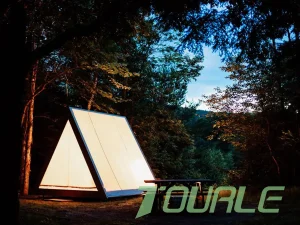
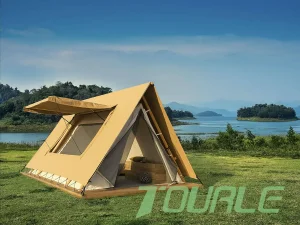
Equipped with steep pitch A-frame roofs and double-layer insulated fabric walls. Engineered with reinforced steel trusses capable of carrying static snow loads up to 0.5 kN/m². Features integrated flue-jack openings designed for wood-burning stoves, keeping guest interiors cozy in sub-zero alpine conditions.
- Heavy-duty thermal inner liners
- Cold-crack resistant PVC windows (-35°C rating)
- Reinforced ground anchoring systems
2. Arid Desert & High-UV Eco-Resorts
Specifically modified with UV-resistant PVDF top canopies that block 99% of harmful ultraviolet radiation. Incorporates continuous 360-degree mesh ventilation windows (B3 bug-proof netting) to promote convective air movement, lowering internal temperatures naturally without excessive HVAC power draw.
- Reflective top membrane layer
- Sandstorm-sealed zipper entryways
- High-temperature stable frame coatings
3. Tropical Jungle & Coastal Saline Sites
Built using marine-grade anodized aluminum or 304 stainless steel hardware to resist salt-fog corrosion. Mildew-resistant canvas treatments prevent mold growth in relative humidity environments exceeding 90%, while elevated platform designs keep units isolated from surface groundwater.
- 304 Stainless steel connection brackets
- Anti-fungal hydrophobic fabric treatments
- High-wind typhoon anchoring cables
Macro Industry Turnkey Solutions
End-to-end engineering support from raw site planning to off-grid utility integration and guest-ready handovers.
Modular Decking & Civil Engineering
Glamping safari tents require stable, level base foundations. Exporters provide complete CAD/3D blueprint layouts for wooden-plastic composite (WPC) or steel-framed elevated platforms. Elevating the tent footprint protects ecological topsoil, ensures zero floor water infiltration during rainstorms, and allows discreet under-deck routing for plumbing, drainage, and electrical lines.
Integrated En-Suite Sanitation Modular Systems
Modern commercial glamping demands internal luxury bathrooms. Factory-engineered safari tents feature designated partition walls designed to accommodate full en-suite facilities—including glass-enclosed shower stalls, flushing toilets, and vanity sinks. Modular lightweight piping interfaces enable fast connection to municipal septic lines or localized off-grid biodigesters.
Technical Roadmap & Future Outlook (2025-2030)
Next-generation advancements in smart tents, sustainable material circularity, and automated manufacturing.
Smart Off-Grid HVAC Integration
Emerging structural roadmaps integrate flexible, ultra-lightweight CIGS thin-film solar panels directly into the outer PVC shade fly. This self-contained micro-generation system powers low-draw heat pumps, LED lighting bands, and smart IoT environmental sensors without breaking the aesthetic harmony of nature.
Zero-Carbon Recyclable Membranes
By 2026, leading exporters are transitioning toward 100% bio-based polyurethane (TPU) coatings and fully recyclable polypropylene fabric bases. These structural materials eliminate phthalates and heavy metal stabilizers, meeting strict EU REACH standards while delivering superior tear resistance.
Structural Digital Twins & IoT Monitoring
Future high-end safari tents will feature embedded strain gauges and wind force sensors inside primary load-bearing connectors. Real-time operational data is routed to resort management software, providing predictive maintenance alerts before structural tension fatigue occurs.
Commercial Procurement FAQ
Addressing critical technical, pricing, and logistical queries for international B2B purchasers.
Extended Luxury Glamping Portfolio
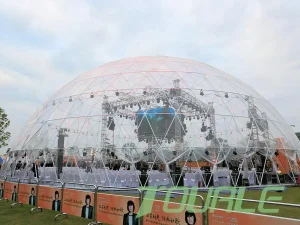
Explore specialized architectural configurations including geodesic domes, wooden safari lofts, teepees, and tensile membrane units.