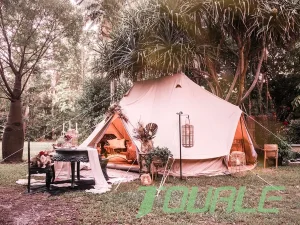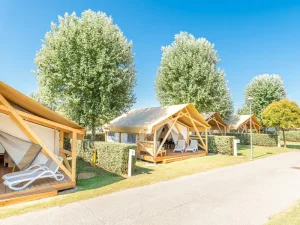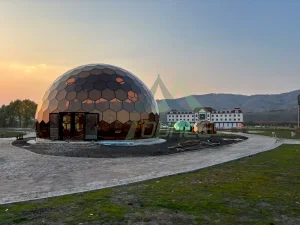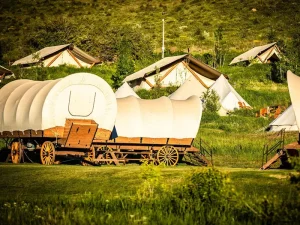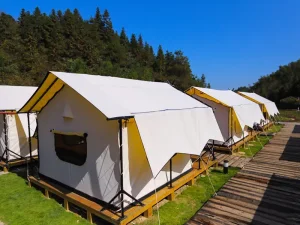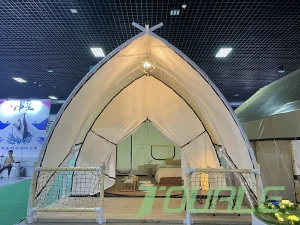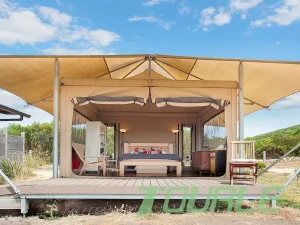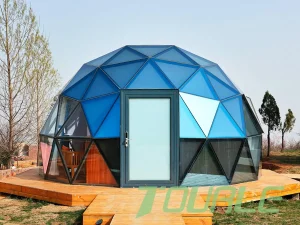
Featured Commercial Pole Tents & Structural Products
Direct factory procurement solutions engineered for resort hospitality, commercial event operators, and international distributors.
Global Commercial Landscape of Commercial Pole Tents & Structural Sourcing
Analyzing global demand, market valuation vectors, and cost mechanics for modern enterprise tent procurement.
The global commercial pole tent and temporary architecture industry is experiencing a structural shift driven by the expansion of outdoor eco-resorts, experiential tourism, luxury event rentals, and disaster-relief infrastructure. In today's procurement landscape, searching for "Buy Pole Tent Price Products & Companies" is no longer a simple transactional query; it represents a complex B2B evaluation process balancing structural safety standards, material longevity, transport logistics, and long-term yield management.
Pole tents—traditionally recognized by their central supporting uprights, perimeter side poles, and guy-wire tensioning systems—have evolved far beyond simple canvas canopies. Modern industrial pole tents utilize high-tensile structural alloys, heavy-duty synthetic architectural membranes (PVDF/PVC), and engineered glulam timber uprights. Understanding the pricing dynamics across global manufacturers requires breaking down the core cost drivers: raw material metallurgy, membrane weight (GSM), anti-mildew and flame-retardant surface chemistry, precision engineering tolerances, and direct OEM capabilities.
| Pole Tent Component Class | Material / Engineering Standard | Cost Impact Drivers | B2B Longevity Expectations |
|---|---|---|---|
| Structural Frame / Poles | Anodized Aluminum 6061-T6 / Hot-Dip Galvanized Steel / Glulam Timber | Wall thickness (2.0mm–5.0mm), anti-corrosion coating thickness, timber grain treatment. | 10 – 15+ Years (Structural Shell) |
| Roof & Side Canvas Membrane | 850g/m² PVC, 300G–450G Heavy-Duty Cotton Canvas, PVDF Architectural Membrane | Fabric GSM, UV resistance index, flame retardancy (DIN4102 B1/M2), water-column resistance. | 5 – 8 Years (Exposed Outdoor Use) |
| Hardware & Tensioning Systems | 304/316 Stainless Steel Turnbuckles, Forged Steel Ground Screws & Ratchets | Steel grade selection, load rating certification, anti-rust galvanization. | 10+ Years |
| OEM / ODM Customization | Thermal insulation liners, modular window panels, sidewall track systems | Engineering CAD design, prototype validation, pre-shipment trial assembly labor. | Customized per Project Requirement |
Technical Engineering & Material Science Architecture
Deep-dive into structural metallurgy, textile chemistry, and load distribution mechanics behind enterprise-grade tents.
Metallurgy & Timber Uprights
The primary load-bearing poles dictate the operational safety envelope of any structural tent. Tourle Tent incorporates high-strength 6061-T6 aluminum alloys and hot-dip galvanized Q235 steel pipes with wall thicknesses exceeding industry benchmarks. For organic luxury safari designs, pressure-treated glulam wooden poles are kiln-dried and coated with anti-rot resins to prevent bowing under high humidity.
Membrane Chemistry
Commercial fabrics must withstand continuous weathering. Double-sided PVC-coated polyester membranes feature high-density weave cores (1000D*1000D) with PVDF surface lacquering. This provides self-cleaning properties where rain sweeps away dust, while delivering certified flame resistance (B1/M2) and blocking 99% of harmful UV radiation to preserve interior comfort.
Wind & Tension Mechanics
A proper pole tent relies on tension equilibrium between the center peak, side wall poles, and earth anchors. Engineered tension calculations ensure wind resistance up to 80–100 km/h. Structural steel footplates, heavy-duty webbing straps, and dynamic guy-wire assemblies disperse lateral shear forces directly into soil anchors or concrete ballast units.
Global Deployment & Regional Localized Scenarios
Customizing structural engineering to meet hyper-local climatic conditions, building regulations, and resort models.
North American Commercial Event & Glamping Hubs
In North America, commercial operators demand strict compliance with NFPA 701 fire safety codes and high peak aesthetic appeal. Wedding tent rental fleets require modular high-peak pole tents that can be rapidly pitched and struck. Meanwhile, luxury glamping operators in regions like Texas, California, and Montana utilize wooden pole safari tents and dome units equipped with snow-load insulation kits and stove jacks for year-round operational viability.
Alpine European Eco-Resorts & Coastal Microclimates
European deployments prioritize environmental footprint, thermal performance, and architectural integration. Alpine camps require heavy-duty cotton-polyester bell tents and tensioned safari lodges with double-layer roofs that provide thermal barriers during cold months. In Mediterranean coastal zones, anti-corrosion hardware (316 stainless steel) and high-UV-blocking canvas coatings are essential to combat salty sea breezes and intense sun exposure.
Southeast Asian & Tropical Rainforest Tourism
Tropical climates present severe humidity, heavy monsoon rains, and aggressive insect pressures. Pole tents deployed in tropical resorts feature elevated wooden decking interfaces, high-waterproof PVC flysheets (over 3000mm hydrostatic head), integrated mesh ventilation windows, and anti-fungal fabric treatments to prevent mildew growth during intense monsoon seasons.
Middle Eastern High-Temperature Arid Infrastructure
Extreme desert heat degrades low-quality textiles rapidly. Structural pole tents in the MENA region utilize solar-reflective roof membranes, reinforced sand-anchoring pin arrays, and high-capacity HVAC ducting ports. The interior framing accommodates thick insulation layers, transforming traditional desert tents into air-conditioned luxury suites for desert resorts.
Macro-Level Industry Turnkey Solutions
End-to-end operational strategies for resort developers, event rental chains, and commercial procurement teams.
Glamping Resort Masterplan Blueprint
For investors developing new campsites, buying tents is only one piece of the puzzle. Turnkey resort solutions integrate site-plan engineering, deck platform designs, utility routing (plumbing/electrical inside canvas walls), and tent selection (pairing large Safari Lodges as master suites with Bell Tents as family units) to maximize revenue per available room (RevPAR).
Event Rental Asset Optimization
Commercial marquee rental companies require high-durability, standardized components to minimize setup labor and maximize rental cycles. Direct factory sourcing of modular aluminum and steel pole tents allows rental operators to maintain interchangeable hardware fleets, lowering maintenance costs and speeding up on-site assembly for weddings and corporate galas.
Prefabricated Eco-Hospitality Hybrid
Combining rigid prefabricated cores (space star capsules or glass dome structures) with flexible stretched pole canopy shade structures creates multi-zone eco-resorts. This hybrid approach offers fully enclosed living quarters protected by overarching architectural tension structures that reduce thermal loading and elevate visual prestige.
Technology Roadmap & Future Engineering Outlook (2025–2030)
Previewing the next decade of structural tent innovation, sustainable materials, and smart climate management.
Eco-Composite Poles & Recycled Polymeric Canvas
Future manufacturing emphasizes circular economy materials. Research is currently refining carbon-neutral bio-composite structural poles and membranes constructed from 100% ocean-recycled PET fibers without sacrificing tensile strength or flame retardancy standards.
Smart IoT Sensors & Automated Tension Monitoring
Integrating micro-tension sensors into main pole anchor lines allows resort managers to monitor real-time wind load forces and tension drops via mobile apps. Automated winch systems can auto-adjust guy-wire tautness ahead of severe storm fronts, eliminating manual labor risks.
Photovoltaic Membrane Integration
Next-generation tent flysheets incorporate flexible thin-film solar cells directly into top PVC/PVDF layers. These lightweight solar layers generate off-grid power for internal LED illumination, HVAC systems, and guest USB charging, turning tent structures into self-sustaining micro-power stations.
Frequently Asked Questions (B2B Procurement & Pricing)
In-depth answers for commercial buyers, importers, and resort developers evaluating manufacturers in China.
What factors primarily influence wholesale pole tent prices when buying direct from manufacturers?
Pole tent pricing is governed by five key parameters: (1) Frame material grade (galvanized steel vs high-spec 6061-T6 aluminum vs solid timber); (2) Canvas density and coating technology (standard 300G cotton vs 850g/m² architectural PVDF/PVC); (3) Total square footage and custom geometric modifications; (4) Hardware specifications (stainless steel vs zinc-plated accessories); and (5) Order volume batching. Direct OEM factories like Tourle Tent eliminate middleman markups, reducing unit acquisition costs by 25% to 40% compared to local resellers.
Is Tourle Tent a direct source manufacturer or a trading intermediary?
Tourle Tent is operated directly by Sichuan Tulele Technology Co., Ltd., a primary source manufacturer established in 2010 in Chengdu, China. Operating an 18,000㎡ main production base alongside a specialized in-house hardware facility built in 2019, Tourle Tent controls every aspect of production—from metal cutting and welding to fabric tailoring and custom hardware casting.
How does pre-shipment trial assembly guarantee project safety for overseas buyers?
Overseas buyers face significant risks if imported tents arrive with missing hardware or ill-fitting canvas cuts. Tourle Tent enforces a strict quality assurance protocol: 100% of custom and high-end structural tent orders undergo a full trial assembly at the factory prior to packing. Structural framing alignment, tension fit, zipper durability, and weatherproofing seals are verified, documented via video/photos, and approved before container loading.
What custom OEM/ODM options can be specified for large resort projects?
Full customization is available across all product lines. Buyers can specify frame dimensions, inner layout walls, insulation layer thickness, door/window configurations (mesh, clear PVC, glass doors), fabric color palettes, logo screen printing, and integrated utility ports for plumbing, electrical wiring, and HVAC ducts.
What is the typical operational lifespan of a commercial pole tent in permanent installation?
When properly anchored and maintained, a high-spec commercial pole tent from Tourle Tent features a structural frame lifespan of 10 to 15+ years. The outer membrane flysheet (850g/m² PVC/PVDF) delivers an operational lifespan of 5 to 8+ years under intense UV and weather exposure, and can be economically replaced independently without replacing the core frame infrastructure.
Tourle Tent Industrial Ecosystem & Production Authority
Combining over a decade of structural engineering expertise, direct hardware manufacturing, and global deployment experience.
Founded in 2010 as Sichuan Tulele Technology Co., Ltd., the Tourle Tent brand has established itself as an international benchmark in glamping, safari, bell, and geodesic dome tent manufacturing. Operating an expansive 18,000㎡ modern manufacturing complex in Chengdu, China, our company integrates initial structural R&D, architectural CAD design, precision fabric cutting, metal fabrication, global export logistics, and comprehensive after-sales installation support.
In 2019, Tourle Tent achieved a major supply-chain milestone by establishing its own dedicated in-house hardware manufacturing plant. Unlike competitors who source third-party connectors and guy-wire fittings, Tourle Tent produces all structural joints, tension ratchets, steel footplates, and anchoring hardware independently. This total control guarantees zero component mismatch, superior rustproofing finish, and unbroken quality control across all bulk export orders.
Manufacturing & Engineering Standard Checklist
- 18,000㎡ Factory Footprint: Scalable batch production capabilities.
- In-House Hardware Production: Independent casting of steel joints & brackets.
- 100% Pre-Shipment Trial Assembly: Full structural pre-fit inspection.
- International Regulatory Compliance: CE certified, DIN4102 B1 flame retardant fabrics.
- Global Footprint: 2,000+ active partner campsites across Korea, Europe, North America, and Australia.
Additional Pole & Specialty Structural Tent Products
Explore our complete OEM & ODM line-up spanning emperor bell tents, insulated glass domes, and specialized glamping lodges.