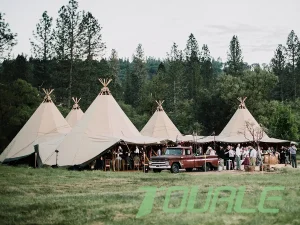
Featured Commercial Glamping Pods & Structures
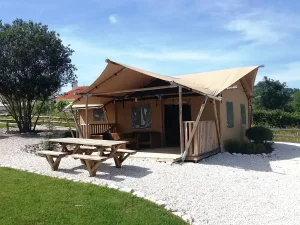
Wholesale Prefabricated House Waterproof Luxury Glamping Luxury Tent Hotel African Safari Lodge Tents Manufacturer, Companies
View Product Details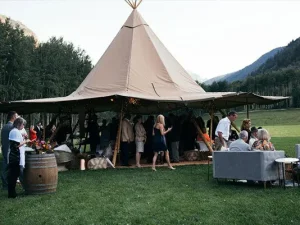
Discount Cotton canvas waterproof large outdoor party tipi glamping tent for resort family camping Manufacturers, Service
View Product Details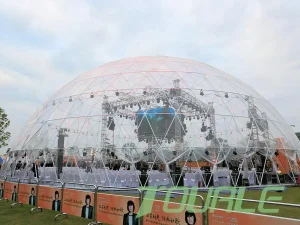
Buy Customized Size Transparent Geodesic Dome Tent for Outdoor Party Event Companies, Pricelist
View Product Details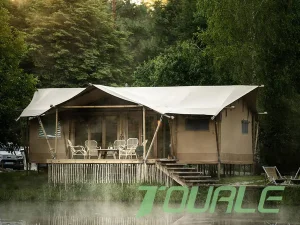
Discount Outdoor family hotel tent wooden structure luxury safari glamping tent for 5-8 person Products, Quotes
View Product Details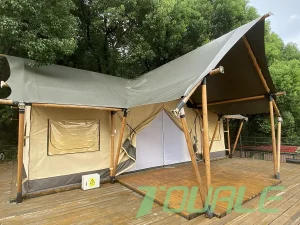
High-Quality M8-T Large Wooden structure outdoor safari tent luxury hotel house Company, Factory
View Product Details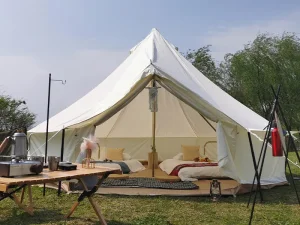
OEM Waterproof luxury outdoor camping cotton canvas glamping tent 5m bell tent Product, Exporters
View Product Details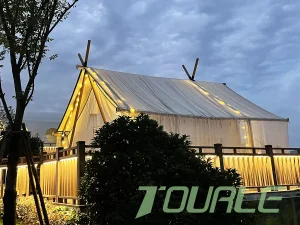
Cheap Outdoor Luxury Hotel Camping Safari Resort Room Vacation Eco-Friendly Glamping Tent Manufacturers, Products
View Product Details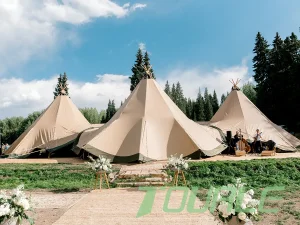
Best Outdoor Large Tipi Three Components Of Tent Canvas Camping For Wedding Companies, Company
View Product DetailsThe Global Evolution of Glamping Pods: From Niche Stays to Commercial Asset Class
The international experiential lodging market has undergone a structural paradigm shift. No longer categorized as basic temporary outdoor shelter, glamping pods have matured into a high-yield, semi-permanent architectural asset class recognized by real estate developers, hospitality groups, and eco-resort operators worldwide.
According to recent macroeconomic hospitality analytics, travelers increasingly prioritize nature-immersed luxury without sacrificing residential climate control, en-suite sanitation, and modern aesthetics. As traditional brick-and-mortar hotel developments face escalating capital expenditure (CapEx), complex municipal zoning hurdles, and prolonged construction timelines, modular prefabricated glamping pods provide a frictionless, rapid-deployment alternative.
Global demand patterns exhibit distinct regional variations across key buying markets:
North America
High demand for winterized, four-season geodesic dome pods and heavy-timber luxury safari cabins capable of handling heavy snow loads in National Park adjacent developments.
Europe & UK
Emphasis on low-impact, eco-friendly wooden pods with strict carbon footprint metrics, off-grid solar readiness, and harmony with local agricultural preservation laws.
Asia-Pacific & Middle East
Rapid expansion in desert luxury glamping, coastal tensioned-membrane pods requiring UV resistance, high-salinity anti-corrosion hardware, and ultra-high heat insulation.
China’s Prefabrication Superiority: The Industrial Core of Glamping Pod Production
Why leading global resort developers source their glamping pods directly from specialized manufacturing hubs in China like Sichuan Tulele Technology Co., Ltd. (Tourle Tent).
Manufacturing high-tier glamping pods requires cross-industry synthesis: structural steel fabrication, architectural textile engineering, automated CNC wood machining, and integrated hardware design. Sourcing from a single integrated factory reduces overall CapEx by 40-60% compared to fragmented Western regional builders.
1. Vertical Supply Integration
By operating in-house metal forging, hardware production, and specialized PVC/PVDF canvas sealing plants, China's Tier-1 factories eliminate sub-supplier markups and ensure 100% component compatibility.
2. Pre-Shipment Trial Assembly
Rigorous Quality Assurance (QA) protocols mandate complete trial erection of structure frames, tensioning membranes, and modular connectors before export, guaranteeing zero field-fitting failures overseas.
3. Advanced Material Standards
Utilization of hot-dip galvanized Q235 steel pipes, aircraft-grade T6 6061 aluminium alloys, and heavy-duty 850g/m² flame-retardant (DIN 4102 B1) PVC architectural membranes for long-term outdoor deployment.
4. Agile OEM / ODM Engineering
In-house 3D CAD and BIM engineering teams translate custom architectural renderings into factory production blueprints within 48 hours, supporting custom footprints, glazing, and luxury interior layouts.
Technical Classification: Engineering Specs of Glamping Pod Architectures
Evaluating structural profiles, thermal envelope capabilities, and wind loading parameters across primary glamping pod categories.
| Pod Architecture | Structural Frame Material | Outer Envelope Material | Wind Load Rating | Thermal Performance | Ideal Application |
|---|---|---|---|---|---|
| Geodesic Dome Pods | Hot-dip galvanized steel tubing / Powder-coated Q235 | Double PVC membrane with transparent TPU panorama bay | 100 - 120 km/h (Beaufort 10-11) | Insulation layer + HVAC ducting (-20°C to +45°C) | Stargazing resorts, snow fields, high-wind mountain ridges |
| Luxury Safari Pod Lodges | Pressure-treated timber poles / Heavy steel chassis | Three-layer fabric (Ripstop canvas + Oxford + Outer flysheet) | 80 - 100 km/h | Natural breathable canvas + internal insulation ceiling | Savannah eco-resorts, subtropical forest parks, wellness retreats |
| Conical Tipi & Tension Shells | Anti-corrosion solid wood logs / Anodized Aluminium | 900g waterproof cotton canvas / High-tenacity PVC | 75 - 90 km/h | Convective airflow stack effect + stove jack integration | Glamping event hubs, boutique retreat clusters, wedding venues |
| Heavy Timber Glamping Cabins | Pre-engineered CNC timber posts + Steel connectors | Insulated composite panels + Architectural shingle roof | 120+ km/h | Full structural thermal break (R-value 18+) | Four-season alpine resort units, permanent luxury suites |
Localized Commercial Scenarios & Operational Financial Models
Analyzing real-world deployment cases, land optimization strategies, and revenue forecasts for commercial glamping pod operations.
High-Altitude Alpine Resorts
Geodesic and wood-structure pods equipped with thermal membrane insulation and wood-burning stoves allow ski resorts to monetize unused peak space during winter season, commanding premium night rates ($350 - $650/night).
Coastal Eco-Resorts & Islands
Constructed with 304/316 stainless steel tensioners and PVDF self-cleaning membranes that withstand ocean air salt spray and tropical humidity, eliminating ongoing exterior paint maintenance.
Boutique Event & Wedding Fleets
Modular Tipi and Bell pod clusters deployed by event rental firms for temporary luxury bridal suites and festival glamping villages, offering rapid assembly and disassembly within 6 hours.
Pro Forma Commercial ROI Blueprint (10-Pod Site Baseline)
Assuming 10 fully furnished 6m Geodesic Dome Glamping Pods with en-suite bathrooms:
- Initial Factory CapEx: ~$80,000 - $120,000 (Pods, Decks, Bathroom Modules)
- Average Daily Rate (ADR): $220 / night
- Target Occupancy Rate: 55% (200 days / year)
- Gross Annual Revenue: $440,000
- Estimated Payback Horizon: Under 7 Months post-launch
Future Horizons: Key Technological Trends Shaping the Pod Industry
Next-generation engineering innovations driving guest satisfaction, lowering site operational expenditure, and ensuring compliance with stringent environmental mandates.
1. Smart IoT & Off-Grid HVAC
Integration of solar micro-grids, smart thermostats, remote keyless lock sensors, and low-draw heat pumps that allow luxury pods to operate completely off-grid in remote wilderness zones without utility trenching.
2. Carbon-Neutral Prefabrication
Transitioning to sustainably harvested FSC-certified timber frames, recyclable aluminum structures, and eco-membrane coatings that reduce carbon payback timelines to under 18 months of operation.
3. Modular Plug-and-Play Pods
Pre-engineered bathroom pods, integrated kitchenettes, and pre-wired utility channels designed for rapid drop-in installation, cutting on-site assembly time from weeks to just a few days.
Global B2B Procurement Guide: Factory Sourcing Workflow
A standardized 5-phase engineering procurement protocol recommended for commercial resort buyers and distributors sourcing from Chinese factories.
Site Analysis
Define wind load requirements, extreme weather thresholds, foundation deck specs, and local zoning fire codes.
3D & BIM Design
Customize pod dimensions, door/window frame locations, canvas branding, and internal partition layouts.
Factory Production
Automated CNC timber/steel cutting, high-frequency canvas welding, and hardware anti-corrosion coating.
Trial Assembly
Complete factory test erection to verify component fit, membrane tensioning, and pre-shipment quality pass.
Logistics & Erection
Export packaging in sea-worthy containers with 3D step-by-step installation manuals and remote engineering support.
Frequently Asked Questions (FAQ) for Commercial Pod Sourcing
Expert answers addressing key procurement queries, structural certifications, weather resilience, and maintenance.
What is the expected structural lifespan of a commercial glamping pod?
The engineered structural framework (hot-dip galvanized steel or treated timber) has a design life exceeding 15 to 20 years. Architectural PVC/PVDF membranes typically last 8 to 12 years under harsh ambient UV exposure and can be economically replaced without dismantling the underlying structural skeleton.
How do glamping pods perform under extreme freezing conditions or heavy snow?
Four-season glamping pods utilize multi-layer thermal insulation envelopes (such as aluminum foil bubble insulation + high-density cotton interior liners). When paired with geodesic aerodynamic profiles, they shed snow effectively and withstand snow loads up to 0.5 kN/m² with standard heating systems.
Are glamping pods considered temporary or permanent structures for building permits?
In most international jurisdictions (USA, UK, EU, Australia), fabric-enclosed pods mounted on raised wooden platforms or screw-pile foundations are classified as temporary or semi-permanent relocatable structures. This often streamlines zoning approvals compared to permanent concrete foundations.
Can glamping pods include fully integrated en-suite bathrooms and plumbing?
Yes. Commercial glamping pods are engineered with designated utility entry portals to accommodate internal plumbing, drainage, hot water heaters, shower stalls, flush toilets, and electric distribution panels built onto elevated sub-flooring.
What fire safety certifications do the cover materials carry?
High-quality factory pod membranes comply with rigorous global flame retardancy standards, including German DIN 4102 B1/M2, American NFPA 701, and British Standard BS 7837, ensuring maximum safety for commercial hospitality guest occupancy.
Explore More Factory Direct Products
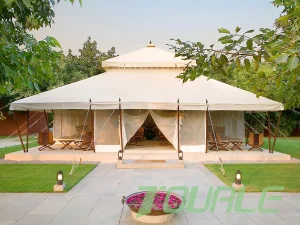
Best Waterpoof PVC Coated Outdoor Tents Aman Safari Iodge Tent For Subtropical Area Exporters, Supplier
View Product Details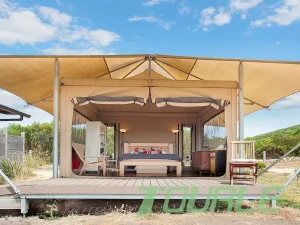
Best Galvanized steel pipe structure safari aman tension tent Products, Pricelist
View Product Details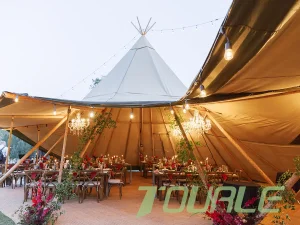
Discount Tipi Safari Tent Two Components Of Durable Canvas Fabric For Wedding Ceremony Service, Company
View Product Details
Wholesale Wooden 5x9m Outdoor Hotel Waterproof Canvas Glamping Luxury Loft Safari Tent For Sale Exporters, Suppliers
View Product Details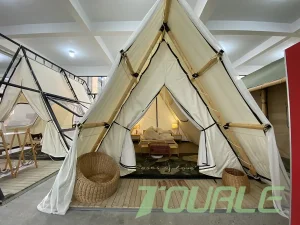
Wholesale Three -layer fabric wooden structure safari T9 tent Manufacturers, Product
View Product Details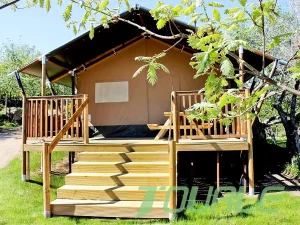
High-Quality Wooden Pole Safari Lodge Cabin House Tent for Camp Hotel Manufacturers, Service
View Product Details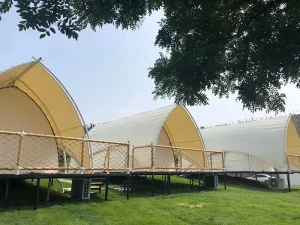
Cheap Tourle new design camping resort tent shell shape luxury safari glamping tent Company, Suppliers
View Product Details