
Buying a Frametenten is not just a matter of choosing a size and color. The right structure must suit its site, expected use, weather exposure, and installation plan. A tent beside a coastal venue may face different conditions from one used in a sheltered garden. Even the ground surface matters. A frame that fits on paper can leave awkward access routes or block service doors once installed.
This guide turns those practical concerns into ten buying tips for global buyers. It covers dimensions, frame materials, fabric specifications, anchoring options, transport, setup, maintenance, warranties, and supplier support. Ask for clear product specifications, installation instructions, and written answers about what is included. Check that quoted prices identify delivery and any optional components. Small omissions can become expensive surprises. Measure twice.
Expert quotations should be traceable, not invented. Add a verified Frametenten industry expert’s name and an approved quotation here: “[Insert a sourced statement about matching tent specifications to site conditions.]” That reminder belongs near the start because buyers often focus on appearance before checking practical fit. A glossy image cannot confirm load data or setup requirements. Nor can a low price prove durability. Compare documented details, ask specific questions, and note where information remains uncertain. No checklist removes every risk. It can, however, make the next decision clearer.
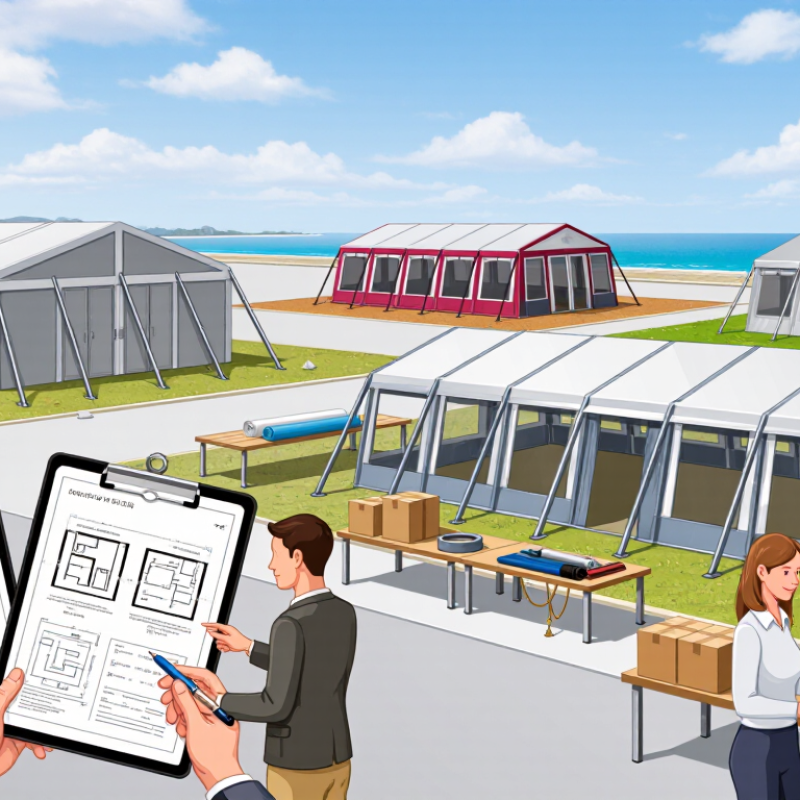
Understanding Frametent Structures and Their Uses
A frametent uses a rigid frame to support a fabric roof, with sidewalls added when needed. Unlike many pole tents, its interior can remain free of central supports. That clear space suits dining layouts, exhibitions, temporary work areas, and equipment storage. Modular sections can create different lengths, but the frame still needs a stable, suitable site. Details matter.
The structure’s span and eave height affect both comfort and usability. Taller sidewalls can improve access for vehicles or bulky items, while enclosed walls offer more shelter from wind and rain. They can also reduce airflow. A neat drawing can still hide a poor site fit. Check drainage, ground conditions, access routes, and the supplier’s documented load limits before choosing a size. Local weather and anchoring needs may require advice from a qualified professional.
Tips: Confirm clear-span dimensions, not just total footprint. Ask what frame material and connectors are included. Verify fabric specifications and available wall options. Check roof drainage and ventilation. Request wind and snow-load documentation for the intended setup. Confirm anchoring methods suit the surface. Review transport dimensions, assembly requirements, and replacement-part availability. Allow space for doors and circulation. Compare warranties carefully. Recheck every measurement against the site plan.
Before requesting frametent quotes, define what the structure must do. Estimate peak attendance, staff numbers, and the space needed for tables, displays, and clear walkways. A 10-by-20-metre tent may sound generous, but equipment and circulation can consume usable floor area quickly. Sketch the layout, including entrances and service points. Measure twice.
Then inspect the site itself. Record the available footprint, ground slope, surface type, and overhead obstructions such as branches or cables. Check how delivery vehicles will reach the setup area and whether the ground can support anchoring. Grass, paving, and soft soil may require different fixing methods. Ask the supplier what site details they need before recommending a configuration; assumptions made from a photo can be wrong.
Weather exposure deserves specific attention. Note prevailing wind direction, nearby buildings, drainage paths, and likely rainwater run-off. Consider when the tent will be used, how long it will remain in place, and whether sidewalls or additional access points are needed. Keep space for safe entry and exit, not just seating. I would recheck measurements after the site is marked out; small errors are easy to miss on a plan. A practical brief should include dimensions, surface conditions, access limits, intended use, and any known weather concerns.
Choose fabric by its coating, seams, and intended use, not color alone. Look beyond color. A polyester canopy with a suitable waterproof coating can shed rain, while tightly woven fabric may offer better shade. Ask for fabric weight, UV performance, and seam details in writing. A sample feels useful, but it cannot show how years of sun will affect it.
Frame design matters when setup space and transport vary. Aluminum is lighter to move; steel can feel sturdier but adds weight and needs protection from corrosion. Check joint construction, fasteners, and whether replacement parts are available. Walk through the setup process before ordering. A complicated frame may stay in storage when quick shelter is needed. I would also check the packed dimensions against the vehicle or warehouse space.
Weather resistance depends on the whole system. Sloped roofs help rain drain, while flat areas can collect water and strain the frame. Check the stated wind limits, anchoring method, and whether the rating assumes specific ground conditions. Secure anchors matter. No tent should be treated as storm-proof. If local weather shifts quickly, plan for a safe way to lower or dismantle it. One detail buyers sometimes miss: darker fabric may absorb more heat, even when it blocks sunlight well. Compare options in the climate where the tent will actually be used.
A supplier’s website may show bright event photos, but credentials deserve closer attention. Ask for the company’s registered business details, manufacturing address, and references for comparable frame-tent projects. Then check whether certificates name the exact tent system you plan to buy. Paper is not proof. Confirm certificate numbers with the issuing organization, and review the test date, product scope, and stated limitations. A document covering fabric alone does not establish that the frame and connections were tested too.
Safety evidence should match your site and operating conditions. Request clear load ratings for wind and snow, plus the assumptions behind them, such as anchoring type and ground conditions. Compare these with your venue requirements and have a qualified local professional review the setup when needed. Ask for assembly instructions, inspection intervals, and replacement guidance for worn straps, pins, or connectors. A useful supplier will explain what the ratings do not cover, rather than promise the tent is safe in every situation. I would also request photos of labeled components and a sample inspection record. Details can be messy; follow up when a document is incomplete. Before paying, put the agreed specifications, included tests, and delivery documents in writing.
Use this checklist to compare suppliers: each bar represents one verification item, not a supplier rating or test result. Confirm applicable requirements in the destination market, including EN 13782 where relevant, and request evidence for the specific tent model you plan to buy.
Tip: Compare the full landed cost, not the frame price alone. Ask suppliers to itemize fabric, connectors, anchoring hardware, taxes, and delivery. A low quote can exclude essentials. Check quote validity, currency, and payment schedule. These details are easy to overlook.
Shipping details matter. Confirm packed dimensions, total weight, dispatch window, and whether unloading is included. Large tent components may require a forklift or several people at arrival. Request tracking and a clear packing list. Keep a small buffer; weather or port delays can disrupt plans.
Tip: Confirm installation support before paying. Ask for a current manual, labeled part diagrams, and remote help during setup. For a first build, request crew requirements and estimated hours. Compare support fees and response times, not just promises. If possible, assemble one bay on level ground before the event. It may expose confusing instructions. Do not assume every detail is covered; a written scope is more reliable than a friendly call.
It uses a rigid frame to support a fabric roof. Sidewalls can be added when needed. The interior can stay clear of central poles.
The open interior works for dining, exhibitions, temporary work areas, or equipment storage. Modular sections can change its length.
Confirm clear-span dimensions and eave height. Check drainage, ground conditions, access routes, and room for doors. A drawing may miss site problems.
Enclosed walls can offer more shelter from wind and rain. They may also reduce airflow. Ventilation deserves a real check.
Ask for wind and snow-load ratings, assembly instructions, and inspection guidance. Check that certificates cover the exact frame system, not only its fabric.
Request business details, manufacturing location, and references for similar projects. Confirm certificate numbers with the issuing organization. Paper alone is not proof.
Ask for an itemized total covering fabric, connectors, anchoring hardware, taxes, and delivery. A low frame price may leave out essentials.
Check packed dimensions, weight, delivery timing, and unloading needs. Request labeled diagrams and setup support. A trial assembly may reveal confusing steps. (It may.)
Choosing the right Frametenten begins with understanding how its frame and covering work together, as well as the kinds of events or projects the structure must support. Before comparing options, define the intended use, capacity, layout, schedule, and site conditions. Ground type, available space, access, and likely weather can all affect the design and setup requirements.
Next, assess the frame and covering materials, construction quality, and resistance to expected wind, rain, and sun. Ask suppliers for clear product specifications, relevant safety documentation, and evidence of experience with similar projects. Compare quotations carefully, considering not only the purchase price but also transport, delivery timing, installation guidance, and after-sales support. A thorough comparison helps global buyers select a Frametenten that suits the project, site, and budget while supporting safe, dependable use.
