
2026 Best Event Tent Manufacturer for Global Buyers?

Time:2026-11-13 Author:Ethan
0%

Choosing an event tent manufacturer in 2026 is not just a price comparison. A tent must fit the venue, guest count, weather, transport plan, and installation schedule. A crowded exhibition ground needs different access and layout options than a garden wedding. Small details matter. Door width, clear-span space, fabric weight, and anchoring points can shape the whole event.

Global buyers also face practical questions about communication, production capacity, customization, and shipping. Ask for current product specifications, material details, care guidance, and clear drawings before placing an order. If possible, review physical samples or inspect a completed installation. Photos help, but they do not show every seam or connection. A supplier’s response to technical questions can be revealing. Still, a polished catalog is not proof of consistent quality.

The phrase Fabrica De Carpas Para Eventos may appear in searches for event tent manufacturers, especially among Spanish-speaking buyers. Use it as a starting point, not a guarantee of expertise. Compare suppliers using the same project brief, including dimensions, intended use, site conditions, and delivery needs. Then check whether their recommendations are specific and realistic. Some decisions remain uncertain until the tent is tested on site. That deserves honest discussion. This guide explores what global buyers should examine in 2026, from design and materials to communication and after-sales support. The best choice is not always the largest factory or the lowest quote. It is the supplier whose capabilities match the event, with evidence to support the promise.
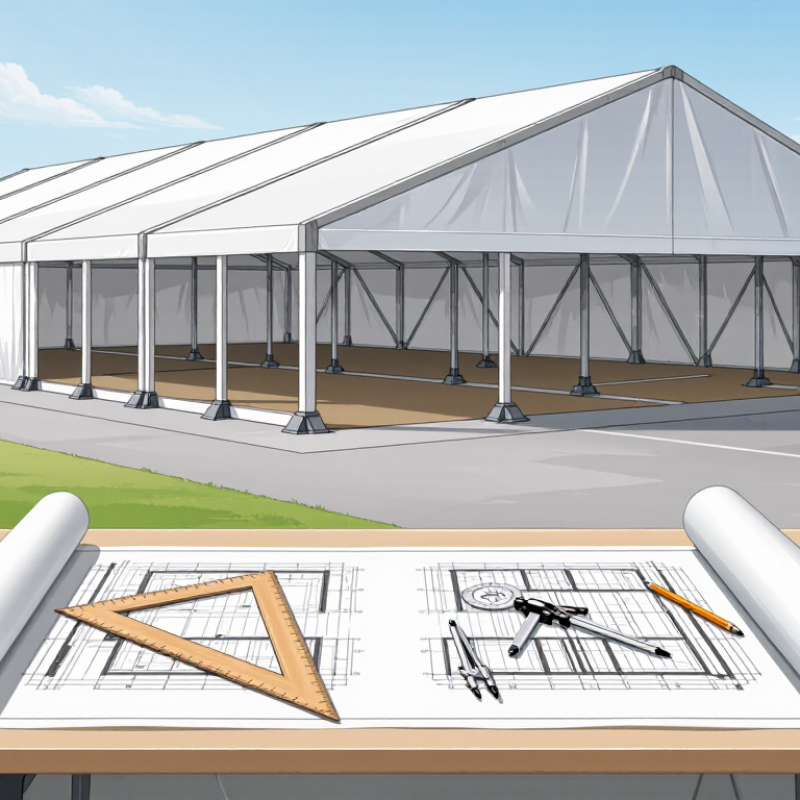
2026 Best Event Tent Manufacturer for Global Buyers?

How Event Tent Manufacturers Serve Global Buyers in 2026

Global buyers in 2026 need event tent manufacturers that can coordinate design, production, shipping, and on-site support. UFI’s 2024 Global Exhibition Barometer estimated that exhibition revenues in 2023 reached 98% of 2019 levels, with 2024 projected at 115%. These figures signal renewed activity, but they measure exhibitions—not tent sales. That distinction matters.

A capable manufacturer should provide clear drawings, material specifications, packing lists, and realistic production schedules. Ask how the frame, connectors, roof fabric, and sidewalls are documented and tested for your project’s conditions. A small detail, such as whether replacement parts fit the original frame, can affect setup days later. Not always obvious.

Global delivery also depends on practical communication. Buyers should confirm shipping terms, crate dimensions, spare-part availability, and who answers technical questions across time zones. Request references for projects with similar sizes and climates, then check what happened after delivery—not only how the photographs looked. A polished catalogue cannot predict a delayed shipment or a confusing assembly step. That is an uncomfortable gap in many purchasing decisions; reviewing samples and installation instructions early can reveal it.

Which Tent Types and Materials Suit Different Event Needs?

For a garden wedding or a small reception, a frame tent offers open space without center poles. It can sit on grass, paving, or a prepared floor, though anchoring needs vary by surface. A pole tent creates a softer, traditional roofline and suits open lawns where stakes can be placed safely. The trade-off is real. Its center poles can interrupt sightlines and seating plans. For exhibitions or large dinners, clear-span structures provide wide interiors and higher ceilings for lighting, signs, and equipment. Check the venue’s access and ground conditions before choosing; a tent that fits the guest count may still be difficult to install.

Material affects comfort, durability, and upkeep. PVC-coated polyester is commonly selected for weather resistance and is easy to clean, but its weight can complicate transport. Lightweight polyester may suit short events in mild conditions, yet it may need more protection from strong sun or heavy rain. Aluminum frames are easier to handle, while steel can offer greater strength at the cost of added weight. Small details matter. Ask about fabric specifications, ventilation, drainage, and documented safety ratings. I would not treat “waterproof” as a complete answer; seams, wind exposure, and setup quality can change performance. Check the actual site forecast and installation plan.

How to Assess Build Quality, Customization, and Safety

A tent’s appearance says little about its performance. Ask for the frame material, wall thickness, connector details, and documented load calculations. Inspect welds and joints for clean, consistent finishes. Ask for proof.

NOAA’s National Centers for Environmental Information counted 28 U.S. billion-dollar weather and climate disasters in its 2023 report. That is not a tent-failure rate, but it is a reason to question vague wind and weather assumptions. Request project-specific wind-load calculations, anchoring plans, and clear limits for use. Check that fabric fire-performance documents match the supplied material, not just a similar product.

Customization should fit the site, not just the mood board. Confirm clear-span dimensions, door locations, drainage, lighting access, and space for accessible routes. Ask how the design changes for soft ground, pavement, or coastal exposure. A capable supplier should explain trade-offs and provide drawings before production. Keep a record of inspection and setup instructions. Even good engineering can be undermined by rushed installation; that detail is easy to underestimate.

2026 Best Event Tent Manufacturer for Global Buyers? — How to Assess Build Quality, Customization, and Safety A practical, evidence-led comparison framework. Suggested weights are buyer guidelines, not a universal industry standard.
Assessment dimension Suggested weight What to assess Evidence to request Buyer check / decision point
Structural safety and engineering 25% Frame stability, connections, anchoring, and structural design for the intended tent size, use, and site conditions. Project-specific structural calculations and drawings prepared or reviewed by a qualified structural engineer; connection and anchoring details; stated design assumptions. Check that the design addresses the applicable local requirements and the site’s wind, snow, ground, and exposure conditions. A wind-speed claim without its assumptions and anchoring method is not enough to compare products.
Materials and workmanship 20% Frame material and finish; fabric composition and coating; seam construction; fasteners; corrosion resistance; and consistency of fabrication. Material specifications and test reports; fabric and frame samples; seam and connection details; documented inspection criteria. Compare specifications and sample workmanship rather than relying on fabric weight or material names alone. Confirm that the proposed materials match the quotation and intended service environment.
Weather and fire performance 15% Suitability for expected rain, wind, snow, temperature, and fire-safety requirements. Performance depends on the complete design and installation, not fabric alone. Relevant test reports and product documentation; drainage and roof-pitch details; applicable fire-test documentation, such as NFPA 701 where required by the jurisdiction or project. Confirm which local codes and authority requirements apply. Check that test reports identify the tested material and configuration; do not treat a test result as proof of compliance in every country or for every installation.
Customization and configuration 15% Available spans and layouts, entrances, walls, flooring, branding, lighting or utility integration, and compatibility of options with the structural design. Dimensioned layout drawings; option and accessory schedule; written confirmation of compatibility; change-control process for design revisions. Verify that customized features do not obstruct exits, compromise structural members, or conflict with local occupancy and fire-safety rules. Confirm tolerances and what is included in the quoted scope.
Manufacturing quality control 10% Repeatability of fabrication, incoming-material checks, production inspections, traceability, and handling of non-conforming parts. Quality-control plan; inspection and test records for the order; production schedule and inspection access; any applicable management-system certificate with its scope and validity. Distinguish a company-level quality-management certificate from product-specific safety or performance evidence. Agree on inspection points and acceptance criteria before production.
Installation, documentation, and training 5% Clarity of assembly sequence, crew requirements, equipment needs, anchoring instructions, and safe operating limits. Installation manual; parts list; site-preparation requirements; lifting and handling guidance; inspection and maintenance instructions. Confirm that instructions match the supplied configuration and can be used by the intended installation crew. Establish who is responsible for site assessment and installation supervision.
Delivery, service, and lifecycle support 10% Lead time, packaging and shipping plan, spare-part availability, warranty terms, repair support, and replacement-material options. Written delivery schedule and shipping terms; warranty document; spare-parts list; repair process; stated response times and exclusions. Compare total ownership considerations, not only purchase price. Check how damage, missing parts, replacement components, and service requests will be handled across the buyer’s destination markets.
Scoring guide — Score each dimension from 1 to 5: 1 = evidence missing or major gaps; 2 = limited evidence or significant conditions; 3 = requirements documented with some open items; 4 = strong, relevant evidence and clear scope; 5 = complete, independently verifiable evidence aligned with the project. Multiply each score by its suggested weight to compare shortlisted proposals.
Important: Standards and permitting requirements vary by country, site, and event. Confirm the applicable editions and requirements with the local authority and a qualified design professional before purchase, installation, or use. The suggested weights and scoring scale are comparison aids, not certifications or guarantees of safety.

Which Certifications and Export Services Should Buyers Check?

For global buyers, a tent supplier’s certificates should match the product, factory, and destination market. ISO’s 2022 Survey recorded 1,265,216 valid ISO 9001 certificates across 189 countries. That shows how widely quality-management certification is used; it does not prove a tent’s strength or fire performance. Check the certificate holder, manufacturing site, scope, and expiry date. Ask for test reports covering the actual fabric, coating, seams, and finished assembly. Fire-test requirements vary by venue and destination, so confirm whether NFPA 701 or another recognized standard applies. A certificate alone is not enough.

Export readiness matters, too. UNCTAD’s Review of Maritime Transport 2024 notes that maritime shipping carries over 80% of world trade by volume. Ask the manufacturer for a commercial invoice, packing list, declared product classification, and certificate of origin when required. Confirm crate dimensions, gross weight, Incoterms, lead time, and who handles customs documentation. Small errors can delay a shipment. A polished brochure cannot fix them.

Tips: Request a sample certificate and a recent shipment document with sensitive details removed. Compare model names and fabric specifications across every file. If anything differs, ask why. It may be a simple revision, but buyers should not assume.

How to Compare Manufacturers and Choose the Best Fit?

Choosing an event tent manufacturer requires more than comparing price per square metre. The Events Industry Council’s 2023 Global Economic Significance Study estimated that business events generated US$1.6 trillion in global GDP in 2019. UFI’s 33rd Global Exhibition Barometer forecast industry revenues at 115% of 2019 levels in 2023. These figures point to sustained demand, but they do not guarantee a supplier can meet your project needs. Compare clear-span dimensions, frame materials, documented wind and rain ratings, and available replacement parts. Small details matter.

Tips: Request test reports, warranty terms, installation instructions, and references for projects similar to yours. Check whether quoted prices include packing, shipping, and technical support. Ask for proof. A glossy catalogue is not enough; a manufacturer should explain how its stated performance was tested and which conditions the rating covers.

Compare lead times against your event schedule, then confirm how custom dimensions affect production and inspection. Ask who handles repairs and whether fabric panels or connectors can be reordered individually. A low quote may look compelling, yet missing documentation can slow approvals and create uncertainty. I would not treat one specification sheet as the whole story; it may leave gaps. A short technical call can reveal whether the manufacturer understands your site, climate, and setup constraints.

FAQS

What should buyers request before ordering an event tent?

Request clear drawings, material specifications, packing lists, and a realistic production schedule. Confirm that replacement parts fit the original frame. Small details matter.

Which tent type suits weddings and receptions?

Frame tents provide open space without center poles and can work on grass or paving. Pole tents create a traditional roofline but need safe staking. Check the ground first.

When are clear-span structures a practical choice?

They suit exhibitions and large dinners needing wide interiors or higher ceilings. Check venue access, ground conditions, and installation space before choosing.

How should buyers compare tent materials?

Coated polyester resists weather and is easy to clean, but its weight can complicate transport. Lightweight polyester may suit brief events in mild conditions. It needs careful protection.

What should buyers check about tent performance?

Ask for fabric details, ventilation, drainage, and relevant test reports. “Waterproof” alone is not a complete answer. Seams and setup matter.

How can buyers verify certificates and test reports?

Check the certificate holder, factory, product scope, and expiry date. Match the reports to the actual fabric, seams, coating, and finished tent. Compare every file.

What shipping details should be confirmed?

Confirm crate dimensions, gross weight, shipping terms, lead time, and customs documents. Request a packing list and origin paperwork when required. Small errors can delay delivery.

How can buyers assess support after delivery?

Ask for references from similar projects and climates. Review assembly instructions and ask who handles technical questions across time zones. Photos tell only part of the story.

Conclusion

Choosing the best event tent manufacturer for global buyers in 2026 starts with matching the supplier’s capabilities to the event’s location, scale, and purpose. Different occasions may call for clear-span structures, modular marquees, or smaller pop-up tents, while weather exposure and frequency of use help determine suitable frame and fabric materials. Buyers should assess workmanship, connection details, fabric durability, available sizes, and options for custom layouts, colors, and branding.

A reliable manufacturer should also provide clear information about product testing, relevant certifications, packing, shipping, installation guidance, and after-sales support. Comparing written specifications, sample quality, production capacity, lead times, and communication can reveal whether a supplier is a practical fit. Search terms such as Fabrica De Carpas Para Eventos may help buyers describe their needs, but the final choice should be based on verifiable product details and service capabilities rather than claims alone.

Ethan

Ethan

Ethan is a seasoned marketing professional with a deep expertise in our company's innovative product line. With a passion for sharing knowledge and insights, he takes the lead in regularly updating our corporate blog, where he explores industry trends, product features, and effective marketing......